• Menu
  • Skip to primary navigation
  • Skip to secondary navigation
  • Skip to main content
  • Skip to primary sidebar

Inspiring Portfolio Careers

From Energise - The Talent Liberation Company

  • Home
  • You
    • Why choose a portfolio career?
    • Who is a portfolio career for?
    • What is a portfolio career?
    • When is it time for a portfolio career?
  • Us
    • Why choose us?
    • What is our approach?
    • What are our values?
    • Who are our clients?
  • Services
    • On-line programmes
    • Career Coaching
    • E-Course
    • Skills CV Design
    • Marketing Mentoring
    • Personal Branding
    • Booking
  • Inspiration
  • Testimonials
  • Blog
  • Contact Us
  • Website Terms & Conditions
  • Cookie Policy
  • Privacy Policy
  • Home
  • You
    • Why choose a portfolio career?
    • Who is a portfolio career for?
    • What is a portfolio career?
    • When is it time for a portfolio career?
  • Us
    • Why choose us?
    • What is our approach?
    • What are our values?
    • Who are our clients?
  • Services
    • On-line programmes
    • Career Coaching
    • E-Course
    • Skills CV Design
    • Marketing Mentoring
    • Personal Branding
    • Booking
  • Inspiration
  • Testimonials
  • Blog
  • Contact Us

Blog

Transferable skills – where next? Part 3.

April 7, 2021 By //  by Rachel Brushfield

This is part 3 of a 4 part blog series about transferable skills.

This blog is an extract from section 6 of our Energise career e course: https://www.inspiringportfoliocareers.com/e-course/

Read part 1: https://www.inspiringportfoliocareers.com/transferable-skills-where-next-part-1/

Read part 2: https://www.inspiringportfoliocareers.com/transferable-skills-where-next-part-2/

How can you use your best skill in new contexts?

People often don’t know how the skills they use in one context could be useful in another context, job or career. We can only know what we know and it can be hard to be clear about what other career options are open to us.

One of the things that I do with my clients is help them understand how their minds work and the steps they take with solving a problem for example; then identify other contexts where this approach could be useful. It is amazing how skills are transferable to completely new areas.

Examples of skills that can be transferred:

  • From sales & marketing property to sales & marketing hotels as a place to stay
  • From insights about consumers to insights about people
  • From employed PA to self-employed virtual PA

From sales and marketing property to sales and marketing hotels as a place to stay

One participant of our Energise ‘Steer your career’ workshop had been made redundant from her job in the property industry, selling houses. At that time, the prospects of finding another similar job were almost non-existent. We helped her to see how her skills of sales, marketing and dealing with customers were very transferable. She reshaped her CV and achieved a fantastic prestigious job for Malmaison hotels, broadening her experience and marketability.

She missed the property world, so went back to it when more jobs became available, so her career revitalisation was temporary based on market conditions.  As a result of working with us, she gained an increased awareness of herself, her values, her skills and motivations, so she knew that property was where her heart lay.

From insights about consumers to insights about people

Insight mining is one of my key skills and it is a combination of observation, analysis, making connections and thinking laterally. In the past, I worked as an account planner in the communication industry and a key part of my job was reading research, looking at trends and analysing information to mine insights that would help brands and companies to achieve a competitive advantage.

I now use those same skills with my clients in career revitalisation. Insights about themselves and what makes them unique, insights about what target employers or customers want, insights about how they can be different from their competitors.  Different context, same skill.

From employed PA to self-employed virtual PA

Many companies have been making PAs redundant, partly to reduce costs to companies, but also because computers and technological advances make it easy for management to do their own typing and administration.

This is an example of huge change to what used to be an established career for life. At the same time as demand for this type of job is shrinking, more and more people have been setting up their own business. If you own a business and have no staff (usual when you start) it is hard to do everything yourself and makes a lot of sense to focus on what you are really good at. Having a virtual PA makes good sense.

The number of hours in each working day is finite, so it makes sense to be smart and use them wisely. If I am spending time in customer care lines to renew my domain name, not only am I feeling frustrated, but also I am not using my time in the best way which plays to my strengths!

Read my article about having a virtual PA on LinkedIn: https://www.linkedin.com/pulse/whos-looking-after-you-rachel-brushfield-the-talent-liberator/

What next?

If you are at a major career crossroads and thinking about changing career direction, becoming self-employed or developing a portfolio career, we can help.

Why not get in touch to arrange your free no obligation meeting?https://www.inspiringportfoliocareers.com/contact-us/

Save the dates! Coming soon.

Energise seminars to help you to market yourself.

10-12 Tuesday 11 May 2021 on Zoom: “Why me? What value do you bring?” https://www.eventbrite.co.uk/e/marketing-seminar-why-me-what-value-do-you-bring-tickets-149507654419

10-12 Tuesday 15 June 2021 on Zoom. “Marketing me: Proactive marketing.”

Contact us to find out more: https://www.inspiringportfoliocareers.com/contact-us/

Filed Under: Transferable skills Tagged With: career pivot, portfolio career, portfolio careers, the talent liberator, transferable skills

Transferable skills – where next? Part 2.

April 7, 2021 By //  by Rachel Brushfield

This is part 2 of a 4-part blog series about transferable skills.

This forms part of section 6 of our Energise career e course: https://www.inspiringportfoliocareers.com/e-course/

Read part 1: https://www.inspiringportfoliocareers.com/transferable-skills-where-next-part-1/

How can you use your best skill in new contexts?

People often don’t know how the skills they use in one context could be useful in another context, job or career.

We can only know what we know, and it can be hard to be clear about what other career options are open to us.

One of the things that I do with my clients is help them understand how their minds work and the steps they take with solving a problem for example; then identify other contexts where this approach could be useful. It is amazing how skills are transferable to completely new areas.

Examples of skills that can be transferred:

• From sales to fundraising
• From marketing products to marketing people
• From organising events to project management

We’ll take each one at a time and show how the skill in each case is transferable.

From sales to fundraising

If you are good at selling with the following skills: persuasion, listening, understanding needs, overcoming objections, understanding motivations, influencing and achieving a ‘win win’, then you can use these same skills in the area of fundraising. The skills it takes to persuade someone to buy something are equally relevant in fundraising – persuading them to part with cash for a good cause, whether as a one off or a regular donation via direct debit.

From marketing products to marketing people


In the past I worked in marketing in the food industry and spent time on chilled ready meals, sausages, pizzas etc.

Marketing is about understanding the needs of your customers, segmenting them into smaller groups with similar needs and creating things that are appealing to them. I now use those same skills to help people to market themselves as well as market my own business and services.

I help my clients to think about and research the needs of their target audience, whether it is an employer or customer, then define what makes themselves unique and work out how to appeal to their audience. Same skill, different context.

One of the reasons I created the Energise career e-course is because many people dislike marketing themselves. They avoid it so don’t realise their potential. I help them to understand their limiting beliefs about self-promotion, to feel more comfortable about it, define their personal brand and increase their chances of success.

I feel more passionate about the difference I can make helping people to market themselves rather than marketing food!

From organising events to project management


If you are good at organising events, creating a clear outcome, thinking about what’s involved, planning ahead, communicating tasks and deadlines clearly and effectively, and engaging the team involved under pressure, you could use these same skills as a project manager.

Project management is a role needed in many different industries and professions and it may be a question of reshaping your CV to emphasis certain aspects more.

More examples of transferable skills will be shared in parts 3 and 4 of this four part blog series about transferable skills.

What next?

If you are at a major career crossroads and thinking about changing career direction, becoming self-employed or developing a portfolio career, we can help.

This blog is an extract from section 6 of our Energise career e course: https://www.inspiringportfoliocareers.com/e-course/

Why not get in touch to arrange your free no obligation meeting?https://www.inspiringportfoliocareers.com/contact-us/

Save the dates! Coming soon.

Energise seminars to help you to market yourself.

10-12 Tuesday 11 May 2021 on Zoom: “Why me? What value do you bring?” https://www.eventbrite.co.uk/e/marketing-seminar-why-me-what-value-do-you-bring-tickets-149507654419

10-12 Tuesday 15 June 2021 on Zoom. “Marketing me: Proactive marketing.”

Contact us to find out more:https://www.inspiringportfoliocareers.com/contact-us/

Filed Under: Transferable skills Tagged With: energise - the talent liberation company, rachel brushfield, the talent liberator, transferable skills

Transferable skills – where next? Part 1.

April 6, 2021 By //  by Rachel Brushfield

This is part 1 of a 4-part blog series about transferable skills.

A common theme amongst all of the career coaching clients I work with is a) they have a blind spot seeing their own skills and talents and b) how they can use them in other ways, i.e. possible new jobs or different careers to what they have done before.

I act as a pair of ‘wing mirrors’ to help them see their skills and be clear about where else they can use them.

In these times of redundancies and shrinking sectors caused by the impact of the coronavirus, this is a very important area to explore as part of your future-proof career.

What is a skill?

A skill is defined as: “cleverness at doing a thing, either from practice or a natural gift.”

Why do people find it hard to see their own skills?

Most people don’t think of themselves in terms of skills, and find it immodest to talk about their own ‘natural gifts’.

Common phrases that people express are: “I just do my job” or “it’s just what I do.”

It is not surprising therefore that people need support in seeing new career options for themselves.

People are discouraged from saying that they are clever and our specific and unique talents are rarely acknowledged or recognised by others. Other people may have thought about you are good at, but not shared this information with you, so it is worth asking to elicit this useful information.

In employer engagement research, frustration about lack of feedback is a common complaint from employees about their line managers, so giving feedback to your direct reports is a good thing to do to boost morale at this time if you are a manager.

Articulating the benefits you bring

Awareness of your specific skills and the ability to articulate them, sharing tangible examples of the benefits they bring is crucial in career success, especially when you are competing against a lot of good candidates.

Spell it out

For people seeking a new or different career, being explicit in helping others to see how your skills are useful in a related context is a must to convince your potential employer that you are up to the task, and not a risk. Self-awareness, confidence and the ability to market yourself, plus overcoming natural fears about change enable a change in career direction to be within reach.

Self-reflective questions

  • What’s my best skill and in what other contexts is it useful?
  • What work tasks make me feel energised?
  • What work activity can I not stop myself from doing?

Inspiring quote

“Believe in yourself. Have faith in your abilities. Without a humble but reasonable confidence in your own powers, you cannot be successful or happy.”

Norman Vincent Peale

5 tips to help you identify your transferable skills

1) Get someone to ask you how you do your job and to write down what you say and then share their perspective of your skills with you.

2) Think about something you do well naturally and write down the specifics using the third person. Practice saying “I am really good at, for example when ….” This makes it feel more comfortable and not ‘boastful.’

3) Analyse the ‘process’ you use to do your work step by step. Most people have a process incorporating certain skills but don’t see this, as they are too close to themselves. This can be turned into a model or infographic to use on your CV, on social media or on a personal web site.

4) Ask people you work with or live with for feedback about your specific skills and do the same for them.

5) If you want to fast track your awareness, get a career coach who is trained to see your skills and help you to see opportunities where they are useful that you may be unaware even existed.

Helping people to identify their skills, knowledge and experience and new context in which it can be applied is one of my best skills. This is a combination of analysis, lateral thinking, making connections, keeping up with trends in careers and skills, and working with people from many different sectors over the 20+ years that I have been doing career coaching.

If you are at a major career crossroads and thinking about changing career direction, becoming self-employed or developing a portfolio career, we can help.

Why not get in touch for your free no obligation meeting? https://www.inspiringportfoliocareers.com/contact-us/

Save the dates! Coming soon.

Energise seminars to help you to market yourself.

10-12 Tuesday 11 May 2021 on Zoom: “Why me? What value do you bring?” https://www.eventbrite.co.uk/e/marketing-seminar-why-me-what-value-do-you-bring-tickets-149507654419

10-12 Tuesday 15 June 2021 on Zoom. “Marketing me: Proactive marketing.”

Contact us to find out more: https://www.inspiringportfoliocareers.com/contact-us/

Filed Under: Transferable skills Tagged With: career transition, portfolio career, portfolio careers. career povot, the talent liberator, transferable skills

Career turning points

March 25, 2021 By //  by Rachel Brushfield

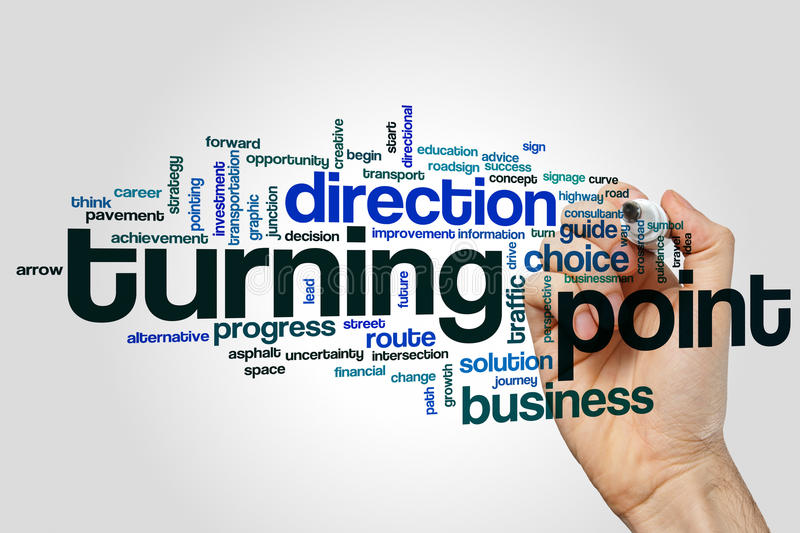
All of us, at some point in our careers have reached a turning point. Probably more than once.

Some turning points are planned/chosen, and others forced e.g. redundancy.

The dictionary definition of a turning point is “a time at which a decisive change in a situation occurs, especially one with beneficial results.”

As a career strategist and coach, it is wonderful being part of someone’s turning point and seeing them transform. The joy of this is still as big now as when I became a coach over 2 decades ago.

Some client turning points that stay in my mind include:

A mid 50s woman, Debi, who had been made redundant. She was ‘old’ in a young industry. For a number of weeks in her coaching sessions, she had been saying that she wanted to do contract/interim work. Her body language and energy said different. Then one day, she slammed her hand on the table. “No. I want to do cheese holidays in France!” And she is. A defining moment. A turning point.

For Lydia, a solicitor and talented musician, her turning points happened in stages. She went from working 5 days a week to 4. Then she became a Professional support lawyer. Next she took a career secondment working in management for an orchestra. Finally she decided that she didn’t want to be a Partner in a law firm and left the law, getting a full time job in general management. This whole process took 2.5 years.

“It is not the most intelligent of the species who survive. It is the ones most adaptable to change.” Charles Darwin.

Every client is different which is why we use a bespoke approach.

Another turning point that sticks in my mind was a client who was a trainer. She was running out of the training room. A classic ‘fight or flight’ response. This was a career limiting turning point. Success or failure with the coaching outcome would be self-evident! Together, we worked out what was causing her to do this and how she could stop – how she could influence the factors in the training room and in her mind that would make her feel comfortable so that she chose to stay in the room. I still remember the moment vividly when she texted me to say:” I did it. I stayed in the training room!” I felt so happy for and proud of her.

Another client Duncan who went travelling but due to a motorbike accident, was unable to complete his trip. This was a turning point. The unexpected time he had to think recovering from a motorbike accident increased his resolve to stop working in advertising and do something that made a difference in the world. He went on to set up a charity and raised over £20 million to help people in Africa to help themselves.

Catalysts for turning points vary. They include:

  • A big birthday; 30, 40, 50, 60.
  • A birth
  • A death
  • Redundancy
  • Illness
  • Being signed off work with stress
  • Fed up of feeling fed up and unfulfilled at work
  • Lockdown – time to think and re-evaluate what you really want
  • A colleague getting promoted

What have been your career turning points?

My significant turning points to date have been:

  • Deciding I didn’t want to be a marketing director in a corporate and switching to work for communication agencies as a brand strategist
  • Deciding to set up my own business in 1997 and go freelance
  • Getting bored of creating brand positionings in different markets and retraining as a coach in 2001. My sister Ali sent me an article in the post with a note saying “This sounds like you.”
  • Missing strategy work, so self-funding a 6 months CPD secondment to develop my knowledge of talent management and employee engagement in 2007, to develop a new strand of my portfolio career
  • Choosing not to take the easy option of doing associate outplacement work for big consultancies but take the long-term view following the credit crunch and invest in building my network and thought leadership
  • Choosing to have a strategic partnership with someone for my business Energise to enable growth, play to my strengths and leverage potential in my business in 2020.

One of my favourite quotes:

“The best way to predict the future is to invent it.” Alan Kay.

Are you at a career crossroads and thinking about changing career direction, becoming self-employed or developing a portfolio career?

Why not get in touch for your free no obligation meeting? https://www.inspiringportfoliocareers.com/contact-us/

Rachel Brushfield, Career Strategist and coach. ‘The Talent Liberator.

Filed Under: Career change Tagged With: the talent liberator, turning point

How career resilient are you?

March 11, 2021 By //  by Rachel Brushfield

In uncertain times, resilience is very important.

We are in VUCA times.

Volatile

Uncertain

Complex

Ambiguous

The dictionary definition of ‘resilience’ is “The capacity to recover quickly from difficulties; toughness.”

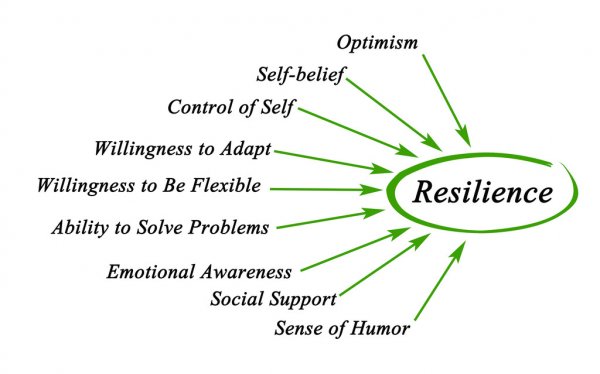
What are the ‘career resilience’ success factors?

  • Resilience is a learnable skill = the ability to ‘bounce back’.
  • Behaviours, thoughts, actions, attitudes + skills.
  • Mindset: setbacks are part of life + learning.
  • Reduce vulnerability to stress. Disassociate from challenging situations – like you are looking at it from a distance, rather than being in it.
  • Support network, trusted relationships. People you can be honest and open about how you are feeling.
  • Meaningful work – inner ‘compass’. Follow your values.
  • See the ‘big picture.’ Keep things in perspective.
  • Think like an entrepreneur. Be persistent.
  • Commit to life-long learning.

What would you add?

Resilience is an in-demand skill by employers.

What have been the most testing times in your career?

My 3 most testing times when I built my career resilience

I think the 3 most testing times in my career have been:

Being made redundant in a recession in 1991

I was incredibly lucky – I was able to get a job in the same geographical area, so didn’t have to sell my home with negative equity at a time of sky high interest rates. My redundancy turned out to be a positive thing, as I hadn’t been happy at my employer, (the macho culture didn’t suit me), and I moved to the consultancy side of work, which is much more me.

Having moved to Oxfordshire, doing a self-funded 6-month CPD break just before the credit crunch of 2007.

It was a very difficult time, but I managed to find an ‘inner resilience turbo boost button!  I gritted my teeth and ploughed on with my career plan, taking the long-term view, building my network, broadening my career options and developing my career capital for long term success

I am so glad that I did.

Spending 10 months writing 2 books to build my career capital and the book publisher going bust.

So frustrating, but I am glad that I wrote them.

10 tips to build your career resilience

  1. Push out your comfort zone – do something that feels challenging
  2. Read books, watch videos and listen to podcasts about entrepreneurs
  3. Create your own personal board
  4. Get a career coach
  5. If things feel especially challenging, put a chair in the corner of the room, picture yourself in the chair, and give yourself some advice as though you were a consultant
  6. Spend time in nature
  7. Do activities that make you feel energised
  8. Recall times in the past when you ‘bounced back’ – what enabled you to do this?
  9. Set some career resilience CPD goals
  10. Define your personal values – what is really important to you

What tips would you add?

Self-reflective questions

How career resilient am I?

What enables career resilience?

What actions can I take to become more resilient and develop these success factors?

What next?

Contact us for a free Career resilience self audit tool: https://www.inspiringportfoliocareers.com/contact-us/

Filed Under: Uncategorized

What IS career agility?

March 11, 2021 By //  by Rachel Brushfield

The dictionary definition of ‘agility’ is: ·“the ability to move quickly and easily” ·“the ability to think and understand quickly” ·“the skills of pivoting quickly.”

Until I looked up the definition of agility, I had always associated the word just with the physical, NOT the brain and thinking.

Covid-19 and its impact on businesses has been a great example of agility at work! 10 years of change accelerated into 1 year. We have all been thrown ‘in the deep end’ at work by Covid-19!! Zoom and Team, on-line webinars etc.

So how do you create career agility? Is it a mindset, a skill, a behaviour, an attitude or something else?

Research by Warwick University in 2011 identified 5 career adaptability competencies – the ‘5 Cs.’

5 career adaptability competencies

CONTROL – being proactive,  decisive & taking responsibility for your career;

CURIOSITY – broadening your horizons by seeking options, possibilities and knowledge; 

COMMITMENT – passionately pursuing & taking action to move to the career horizon of your choosing; 

CONFIDENCE – belief in yourself & that you can achieve your goal;

CONCERN – having a positive & philosophical attitude to mistakes or rejection.

Source: Warwick University Aug 2011.

For me, this quote sums up career agility.

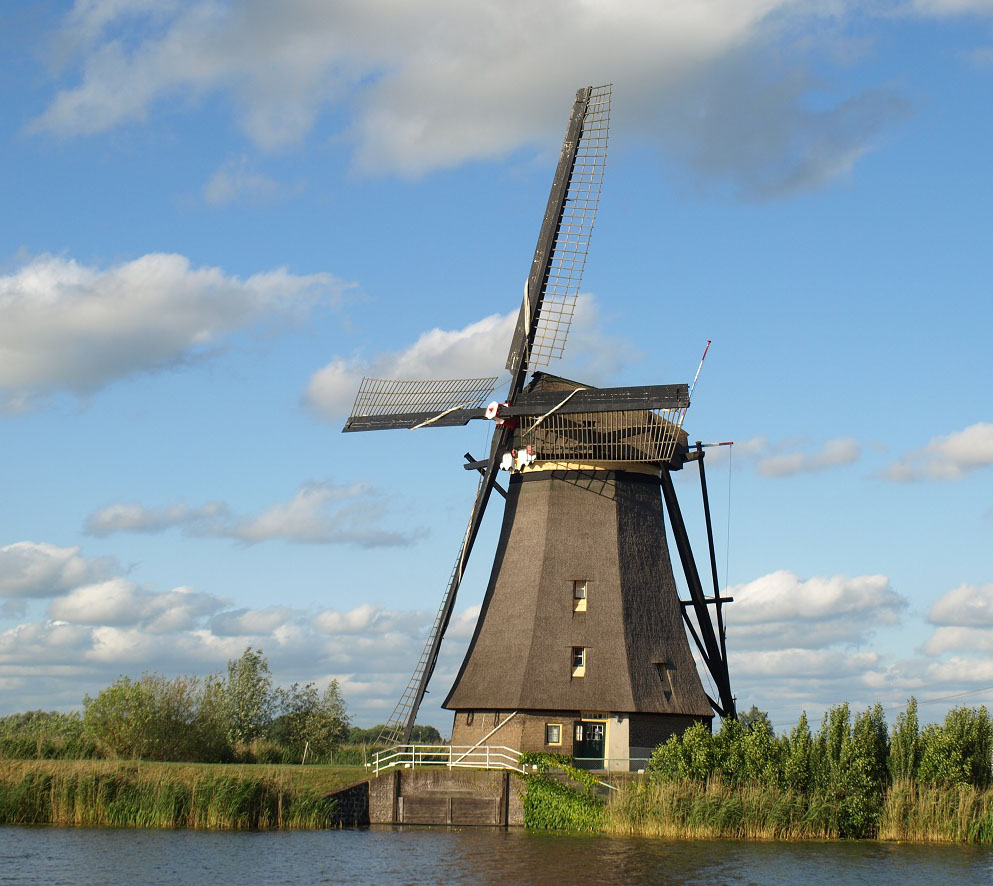
“When the winds of change blow, some people build windmills, others walls.” Chinese Proverb.

Career agility is a fascinating topic which gets me thinking about what it involves. It is quite multi-faceted!

It is about all these things or something else?

  • Technological agility?

Technological agility is becoming career critical.

  • Political agility?
  • Skills and knowledge agility?
  • Career pivot agility –  in response to trends?
  • Career choice: Portfolio career = agile career
  • Thinking agility as a competitive edge?
  • Career plan ‘A’, ‘B’ and ‘C’?

What would you add?

What are career agility behaviours?

My research into the topic has shown that these are the behaviours that enable career agility:

  • Consistently respond to not resist change.
  • Rotate your career from your interests + drive.
  • Create opportunities around your skill sets + motivations.
  • Be adaptable and flexible with change.
  • Possess/cultivate curiosity + resilience.
  • Take responsibility for your own career.
  • Follow/leverage trends – stay ahead.
  • Seek formal and informal advice/mentors.

3 questions to ponder more on the topic of career agility.

How career agile are you?

Is career agility a form of ‘intelligence’?

Is career agility a skill that can be learnt, or a mindset?

To receive a free Energise career agility self-completion questionnaire, get in touch: https://www.inspiringportfoliocareers.com/contact-us/

Filed Under: Career agility Tagged With: career agility, the talent liberator

Time to retire? Part 2 of 2.

February 15, 2021 By //  by Rachel Brushfield

Read part 1:

https://www.inspiringportfoliocareers.com/time-to-retire-part-1-of-2/

How career coaching helped preparation for retirement

We recommended three coaching sessions to help our clients plan their retirement.

During the first coaching session, we explored their situation fully and discussed any short and long term plans that they had.  

It was important to establish quickly how they felt about retiring and to discuss the main issues and challenges that they were facing or likely to encounter in the first few weeks and months of retirement.

Taking stock

It is useful to help our clients to take stock of where they are from a personality, values (what is important to them), motivations and interests perspective.

Next to support them to do some thinking and planning to help them set achievable goals together with some budget planning. 

The second and third coaching sessions were used to track their progress against the agreed goals and to provide mentoring support as a strategic, practical and confidential sounding board.

As with all career coaching, the client needs to take ownership of their plan and drive it forward themselves, blocking out time regularly.

Focus for career coaching

Assessing why and where they thought they would specifically need career coaching is important. Our approach is bespoke – a high quality boutique service.

What we didn’t cover

Their career coaching did not cover detailed financial, pension and investment planning. They needed specialist help on this and we suggested that they obtained separate advice from an Independent Financial Advisor (IFA). We recommended a trusted contact.

The focus of career coaching was getting them into the right mindset to deal with the “change curve” of retirement and to then give them a practical focus and clear plan to use their main life interests and preferred activities productively whilst managing their time effectively. 

Career coaching exercises

To enable clarity and insights to inform their retirement, they completed a series of exercises on personality, temperament, career motivations and a strengths profile to help them understand themselves and their preferred ways of doing things. 

They had not completed anything like these before and found them extremely helpful and illuminating.

We discussed the insights from these and, for them, the personal and practical implications for their future.

Getting retirement ready

For example:

  • structure being important
  • not being naturally organised
  • wanting to achieve too much
  • having no system to prioritise actions
  • lack of self-discipline

are things that need to be thought through.

These were pivotal exercises to complete prior to the follow up work which they agreed to do.

Retirement planning guidance

We recommended several sources of retirement guidance material and pointed them towards other relevant material to read online.  They also had a copy of our Retirement Career Plan to help them.

Career coaching skills

Career coaching skills including listening, incisive questioning, coaching, counselling, challenging and action planning.

We introduced them to other areas including personal networking, research and looking at where they could build up other skills or do some further development activity.  

With one client, we also looked at building in some voluntary work as a key part of their new life and plan. 

The Result

The sessions were well received and both clients gave positive feedback.

A few weeks later, they individually reported that they were settling into their retirement well and were starting to achieve their defined S.M.A.R.T. goals – lifestyle, development, personal and financial.  

More

Contact us to arrange your free 20 minute no-obligation meeting to explore your brief and how we can help: https://www.inspiringportfoliocareers.com/contact-us/

Andrew J Scott + Lynda Gratton ‘The 100 year life’ https://www.amazon.co.uk/100-Year-Life-Living-working-longevity/dp/1472930150

Andrew J Scott and Lynda Gratton ‘The new long life’ https://www.amazon.co.uk/New-Long-Life-Framework-Flourishing/dp/1526615169/r

Institute of Employment Studies (IES): ‘Shut out. How employers and recruiters are overlooking the talents of the over 50 workers.” January 2021. Centre for better aging. https://www.employment-studies.co.uk/resource/shut-out?utm_source=IES+emailing+list&utm_campaign=2b4e9e35ad-EMAIL_CAMPAIGN_2019_05_10_10_39_COPY_08&utm_medium=email&utm_term=0_f11585705b-2b4e9e35ad-364290580

Filed Under: Retirement Tagged With: energise - the talent liberation company, retirement

Time to retire? Part 1 of 2.

February 15, 2021 By //  by Rachel Brushfield

In the UK, the population is aging, with many people set to retire.

Most people typically having set up a pension in their 20’s or 30’s, don’t think about what they will do in their retirement until they are in their late 50’s or early 60’s, unless ill-health causes them to retire earlier than they planned, or they are offered voluntary redundancy.

We don’t get taught how to plan for retirement, and the sudden abrupt ‘stop’ or ‘steep’ cliff has never felt wise or logical, for either the employer or employee!

Planning retirement is very important, and working with an experienced career coach can really help to smooth this major life transition.

Is a steep ‘cliff’ or sudden stop to retirement wise?

A gentle ‘slope’ to retirement, reducing working hours, and increasing leisure time and volunteering, and for some, having a portfolio career with a mix of paid and unpaid activities has always felt better sense.

Why stop work suddenly, just because you have reached a particular age?

A gentle slope to retirement paces change.

Client examples

A couple of coaching clients were both approaching retirement age and looking to retire fully when they first got in touch about career coaching.

They did not know how to go about planning their retirement in order to ensure a smooth transition from working full time in an office (pre-Covid) to their new life, primarily based at home.

In both cases, they had both been working in their organisations for a number of years in technical roles and were now leaving with no intention of doing any further paid work. 

Covid-19

Working from home because of Covid-19 in some ways has enabled an adjustment from working in an office and commuting, paving the way to adjust to a retired life, and being more home based.

Pacing change makes a lot of sense.

No prior retirement preparation

What was interesting and also surprising was to learn just how unprepared they were for this next step in their life.

They had received no pre-retirement advice at all from their employers (except to secure career coaching help), had not spoken to an Independent Financial Advisor (IFA) about financial planning and had little idea what they were going to do with their time once they retired.

It was clear that they had not thought about how they would cope without working, no longer having the structure and support of a full-time job, and they hasn’t started to make any concrete plans.

For experienced career coaches like us, this is a fabulous brief – almost like having a blank canvas to work with!

5 stages of retirement

There are 5 stages of retirement.

Stage 1: Pre-Retirement. The stage before you actually retire involves imagining your new life and planning for it.

Stage 2: Full Retirement.

Stage 3: Disenchantment with retirement.

Stage 4: Reorientation.

Stage 5: Reconciliation & Stability.

Sometimes people choose to come out of retirement and develop a portfolio career at stage 3.

If you love your work, why retire? A slower pace and reduced working hours can be a good choice.

More

Contact us to arrange your free 20 minute no obligation meeting: https://www.inspiringportfoliocareers.com/contact-us/

Recommended reading:

Andrew J Scott + Lynda Gratton ‘The 100 year life’ 

https://www.amazon.co.uk/100-Year-Life-Living-working-longevity/dp/1472930150

Andrew J Scott and Lynda Gratton ‘The new long life’ https://www.amazon.co.uk/New-Long-Life-Framework-Flourishing/dp/1526615169/r

Report Institute of Employment Studies (IES)

‘Shut out. How employers and recruiters are overlooking the talents of the over 50 workers.” January 2021. Centre for better aging. https://www.employment-studies.co.uk/resource/shut-out?utm_source=IES+emailing+list&utm_campaign=2b4e9e35ad-EMAIL_CAMPAIGN_2019_05_10_10_39_COPY_08&utm_medium=email&utm_term=0_f11585705b-2b4e9e35ad-364290580

Filed Under: Retirement Tagged With: retirement, the talent liberator

Variety is the spice of life

February 14, 2021 By //  by Rachel Brushfield

Introduction

I have been running my own business Energise for over 24 years and have always enjoyed variety.

In 2011, I was lucky to read the book ‘The Shift’ by Lynda Gratton, a Professor at London Business School about changing work trends and what the world of work would be like in 2020.

I am so glad that I did, because having implemented its recommendations myself, I am now in a good position to help people at this challenging time in the world, with Covid-19 having accelerated a decade of change into 1 year.

What is a portfolio career?

A portfolio career is work/a career made up of multiple components, for example freelance work, a contract, a part time job, non-executive directorships, trustee and volunteering, rather than just having 1 job or running 1 business.

As a metaphor, a portfolio career is like choosing Dim Sum or Tapas in a restaurant, a variety of different dishes, rather than just one single main dish, giving you a variety of flavours and textures and a moreish combination.

Why are portfolio careers growing?

Portfolio careers have been growing for a while, because of 2 growing segments:

· The ‘want a portfolio career’ market – pre-retirees wanting a gentle ‘slope’ rather than a steep ‘cliff’ to retirement, and millennials (young workers) who have different career aspirations to previous generations.

· The ‘need a portfolio career’ market – this has grown massively because of the impact of Covid-19 on both the employed and self-employed sectors; shrinking markets, forced career change, reduced consultancy projects with greater competition, more people becoming self-employed, and a raised ‘bar’ of the standard required to secure a job or project.

How do portfolio careers vary?

Portfolio careers have been around for centuries – think holiday destinations with seasonal tourism, who need a different way of earning a living for the rest of the year.

Portfolio careers vary a lot, and they also change a lot!

They can be segmented into:

· Similar e.g. associate work with different companies

· Contrasting e.g. leadership coach and historical author

· Synergistic e.g. bee-keeper and dentist

A portfolio career isn’t the right career choice for everyone, so thinking it through carefully is essential. Working with an experienced career coach, specialising in portfolio careers can be invaluable.

A portfolio career is like a kaleidoscope.

You can adjust it and create new work patterns that suit you, as your needs change, and market trends shift.

Everyone is unique and so is each portfolio career!

What are the benefits of a portfolio career?

Benefits include:

· Variety

· More fulfilment and flexibility

· Constant learning

· Increased career agility

· Enhanced career resilience

· A future-proof career

· Reducing your career risk

What are the drawbacks of a portfolio career?

Drawbacks include:

· Constant change

· Less certainty and security than a traditional career

· Need to focus on trends and take stock regularly

· Must embrace marketing and networking

· Need to be super-organised

A portfolio career is like having a ‘safety net’.

Is it really a good idea to put all your career ‘eggs in one basket’ in an uncertain world?

What next?

To receive a free Energise report: ‘Discover Portfolio Careers’ including a free 15-question suitability questionnaire and/or to arrange your free 20-minute no-obligation meeting to explore whether a portfolio career is right for you, get in touch with Rachel Brushfield using this link: https://www.inspiringportfoliocareers.com/contact-us/

Recommended reading

Lynda Gratton ‘The Shift’ https://www.amazon.co.uk/Shift-Future-Work-Already-Here/dp/0007525850

Andrew J Scott + Lynda Gratton ‘The 100 year life’ https://www.amazon.co.uk/100-Year-Life-Living-working-longevity/dp/1472930150

Andrew J Scott and Lynda Gratton ‘The new long life’ https://www.amazon.co.uk/New-Long-Life-Framework-Flourishing/dp/1526615169/r

More about Energise

View Rachel Brushfield’s LinkedIn profile: https://www.linkedin.com/in/energiseliberateyourtalent/

Rachel Brushfield’s portfolio career

Inspiring Portfolio Careers https://www.inspiringportfoliocareers.com/

EnergiseLegal https://www.energiselegal.com/

Energise LLClub – Inspiring Portfolio Careers for Women Lawyers. https://www.llclub.org/

PWHub – Inspiring Professional Women – a network for senior employed women, all sectors, with quarterly CPD style events. Rachel is a co-founder. https://www.pwhub.org.uk/

This blog was originally a guest blog for Oxfordshire Business Community Network: https://oxfordbusinesscommunitynetwork.co.uk/blogposts/variety-is-the-spice-of-life/

Filed Under: Portfolio career Tagged With: career pivot, mike foster, portfolio career, portfolio careers, the talent liberator

Ready to be put ‘out to grass’? Or not! Part 2 of 2.

February 11, 2021 By //  by Rachel Brushfield

This is a 2-part blog by Peter Wilford about supporting Finance Directors (FDs) to consider about whether to retire or not, and how a portfolio career can be a good career choice for the pre retirement life stag.

This is part 2.

The rest of this blog is in Peter’s own words.

Read part 1

https://www.inspiringportfoliocareers.com/ready-to-be-put-out-to-grass-or-not-part-1-of-2/

How we help our clients

Success comes from a number of factors.

We help our clients to develop a Plan ‘A’, ‘B’ and ‘C’ for their job search and marketing activity.

Each plan is carefully crafted and the priorities assessed. 

This gives the Financial Director (FD) confidence that he / she is not putting all their career ‘eggs in one basket’. This is especially important for the uncertain times in which we live.

We coach them at every stage and act as a sounding board to keep them on track.

Career plan ‘A’, ‘B’ and ‘C’

Typically, career Plan ‘A’ might involve securing 2-3 pieces of paid consultancy work – often with an SME and where they were not likely to be seen as a threat to the incumbent CEO or Financial Director, but are able to add significant bottom line value. 

Career Plan ‘B‘ might be to focus on obtaining some interim work, particularly if they have already worked in a sector where interims are required and / or in a Senior Finance project role.

Career Plan ‘C’ might be to set up their own business and to create a web site and look at building a portfolio career to include typically:

  • non-executive director (NED) work
  • mentoring of younger finance professionals
  • voluntary work
  • paid consultancy projects.  

Also perhaps:

  • supporting a friend in their local area with their own business, to broaden their experience, leading to new future opportunities.

Age bias towards employing 50somethings

Securing a full-time role as a finance director (FD) in a large organisation in your 50’s is both difficult and extremely time consuming, unless you have a strong business network and very well-established head-hunter contacts.

Opportunities for an FD to get work more easily lie in the Small Medium Enterprise (SME) sector.

Finding your niche and how we help

One FD client, whose experience was both corporate and SME based, identified that his niche market was medical devices companies.

We worked together to write 2-3 compelling direct approach letters and he drew up a list of 50 SME organisations within an agreed geographical area.  

The letter was strong.

His value add proposition was convincing.

We coached him to be thoroughly interview prepared.

The result was a series of interviews with the MD / CEO of medical device companies.  

Proactively helping our clients

We are proactive in our approach, providing a bespoke service, unlike the large career management companies/outplacement organisations which can be ‘sausage machine’ in nature, and relying primarily on on-line career portals and a standardized approach. One size does not fit all.

Ways in which we help our clients

We go the extra mile at Energise for our clients. Ways in which we support them include:

  • Introducing them to relevant contacts in our own networks
  • Encouraging them to adopt a proactive approach to marketing, often in new areas and outside their comfort zone
  • Getting them to think ‘outside of the box’, for example to approach their Professional Institute e.g. ICAEW for possible mentoring
  • Encouraging them to attend industry conferences to broaden/widen their network
  • Sharpening up their technical skills
  • Pointing them to non executive director (NED) membership organisations.
  • Invited them to our local Institute of Director (IoD) group
  • Introducing them to local employers
  • Helping them build up their lists of head-hunters and to learn how to manage these conversations to the best effect

The result

All our clients have now been either placed or are enjoying a new phase of their working life.

Some have been introduced to our Independent Financial Advisor (IFA) contacts for fresh support with financial planning. 

Several have kept in touch.

Our clients have told us that they would not have known what to do without our help, coaching, senior experience and reassurance.

More

‘The 100-year life’ by Lynda Gratton and Andrew J Scott: http://www.100yearlife.com/

‘The new long life’ by Lynda Gratton and Andrew J Scott: https://thenewlonglife.com/

‘Future skills for a life-long competitive advantage part 1’ for the award-winning Future of Work Hub: https://www.futureofworkhub.info/comment/2019/3/22/future-skills-for-a-life-long-competitive-advantage-part-1

‘Future skills for a life-long competitive advantage part 2’ for the award-winning Future of Work Hub: https://www.futureofworkhub.info/comment/2019/6/26/future-skills-for-a-life-long-competitive-advantage-part-2

Filed Under: Portfolio career, Retirement Tagged With: career coaching, career pivot, energise the talent liberation company, finance directors, portfolio career, portfolio careers, rachel brushfield

  • « Go to Previous Page
  • Go to page 1
  • Go to page 2
  • Go to page 3
  • Go to page 4
  • Go to page 5
  • Go to page 6
  • Interim pages omitted …
  • Go to page 37
  • Go to Next Page »

Primary Sidebar

Sign Up for Our Newsletter

Privacy by SafeUnsubscribe

Looking for something?

  • Being
  • Career agility
  • Career capital
  • Career change
  • Career coaching
  • Career fulfilment
  • Career prospects
  • Career satisfaction
  • Career strategy and planning
  • Change and uncertainty
  • Clarity
  • Confidence
  • Contracting and interim
  • Creativity
  • Diversity & inclusion
  • Emotonal intelligence
  • Employee engagement
  • Employment law
  • Entrepreneurial
  • Evolving a business
  • Fear
  • Flexible working
  • Freelance
  • Future-proof your career
  • Goals
  • Guest blog portfolio career
  • Habits
  • Happiness
  • Health
  • Hobby becoming a business
  • Interviews
  • Learning
  • Managing emotions
  • Marketing and selling
  • Money and abundance
  • Motivation
  • Networking
  • New year
  • NLP
  • Optimism
  • Performance
  • Personal brand
  • Personal development
  • Portfolio career
  • Productivity
  • Redundancy
  • Reflection
  • Relationships
  • Resilience
  • Retirement
  • Returners
  • Second careers
  • Self employment
  • skills
  • Small businesses
  • Social business
  • Social media
  • Starting a business
  • Stress
  • Success at work
  • Supporting our network
  • Talent management
  • Thought leadership
  • Transferable skills
  • Uncategorized
  • Unretirement
  • Vaues
  • Women
  • Work
  • Work life balance
  • Work trends
  • Working mothers

On Twitter

Twitter Sent An Error: Could not authenticate you.
  • Facebook
  • LinkedIn
  • Twitter
  • Website Terms & Conditions
  • Cookie Policy
  • Privacy Policy

+ 44 (0) 845 22 55 010
rachel@inspiringportfoliocareers.com

Copyright © 2026 Inspiring Portfolio Careers from Energise, The Talent Liberation Company · Site Design by DigitalJen ·

We use cookies to ensure that we give you the best experience on our website. If you continue to use this site we will assume that you are happy with it.