• Menu
  • Skip to primary navigation
  • Skip to secondary navigation
  • Skip to main content
  • Skip to primary sidebar

Inspiring Portfolio Careers

From Energise - The Talent Liberation Company

  • Home
  • You
    • Why choose a portfolio career?
    • Who is a portfolio career for?
    • What is a portfolio career?
    • When is it time for a portfolio career?
  • Us
    • Why choose us?
    • What is our approach?
    • What are our values?
    • Who are our clients?
  • Services
    • On-line programmes
    • Career Coaching
    • E-Course
    • Skills CV Design
    • Marketing Mentoring
    • Personal Branding
    • Booking
  • Inspiration
  • Testimonials
  • Blog
  • Contact Us
  • Website Terms & Conditions
  • Cookie Policy
  • Privacy Policy
  • Home
  • You
    • Why choose a portfolio career?
    • Who is a portfolio career for?
    • What is a portfolio career?
    • When is it time for a portfolio career?
  • Us
    • Why choose us?
    • What is our approach?
    • What are our values?
    • Who are our clients?
  • Services
    • On-line programmes
    • Career Coaching
    • E-Course
    • Skills CV Design
    • Marketing Mentoring
    • Personal Branding
    • Booking
  • Inspiration
  • Testimonials
  • Blog
  • Contact Us
You are here: Home / Archives for Rachel Brushfield

Rachel Brushfield

How to find my happy place

December 21, 2020 By //  by Rachel Brushfield

Many years ago, I gave up smoking.

I was smoking 40 cigarettes a day.

It was expensive.

It was disgusting.

My mouth felt like the bottom of a budgie’s cage.

I had tried nicotine patches.

I had filled an empty jar with cigarette stubs and water, keeping it on my desk to put me off.

None of it worked.

And then one evening.

Something happened.

I was sitting on the sofa smoking and drinking a glass of wine.

At that time, I wanted to be more creative.

I noticed that I was inhaling a cigarette in the gap between my thoughts.

The gap in between your thoughts is where insights emerge.

Insights that can lead to creativity.

I was stopping myself from achieving what I want.

I was stopping myself from being creative.

Immediately. I stubbed out my cigarette.

It was the last cigarette I smoked.

I am not a fan of New Year Resolutions. Giving up something you enjoy in January in the middle of Winter is not the best time. Especially after 2020 and Covid-19!

So how did I find my happy place, so that the nicotine left my body?

I had kept a diary the previous month to understand the catalysts to reaching for a cigarette.

There were many.

  • Having a break.
  • Boredom.
  • An accompaniment to a cup of coffee.

I needed to make sure that I still took the short breaks, but without smoking. This was the positive thing that smoking had given me, as well as feeling part of a group, with a sense of belonging, having a cigarette outside a pub or at a party.

What worked for me to find my happy place was a combination of 4 things.

Every time I thought about having a cigarette, I would do one of these.

  1. Play an uplifting music track – about the same length of time it took to smoke a cigarette. Michael Jackson ‘Heal the world’ and Oasis ‘Wonderwall’ and Massive Attack ‘Unfinished Symphony’ worked a treat.
  2. Take a short walk in nature
  3. Name a positive emotion, access a memory when I had that positive emotion, relive the positive memory, connecting with all my senses in the memory. The beach in Ko Pi Pi, Thailand worked a treat!
  4. Sitting in a chair and doing the pause exercise – see below.

The ‘pause’ exercise – a 5 minute tool to de-stress and be present

  • Sit in a chair with your back straight, your hands resting on your thighs, and your legs straight out in front of you (not crossed) with the weight on your heels
  • Close your eyes
  • Notice the feeling of your body in the chair, your feet on the ground
  • Put your attention on the clothes on your skin and the feeling of the air on your hands and face
  • Notice the taste in your mouth and any smells
  • If thoughts come into your head, let them go and drift away like clouds
  • Now, focus your attention on external sounds around you
  • Put all your attention on these sounds. Notice sounds close to you and further away
  • Allow yourself to simply be present
  • Keep on putting all of your attention on being in the present moment and connecting with your senses, especially sounds and touch   
  • You will notice that your breathing starts to slow and your mental chatter quietens
  • Keep on putting your attention on your body sitting in the chair and feet on the ground
  • Place 200% of your attention on the sounds around you
  • When you are ready to complete the exercise and feel energised, bring your awareness back to being in the room and imagine roots growing from the soles of your feet into the earth so that you feel grounded
  • When you’re ready, open your eyes 

What tips would you share to find your happy place?

Filed Under: Happiness Tagged With: happiness, how to find my happiness, the talent lberator

Is career coaching worth it?

December 21, 2020 By //  by Rachel Brushfield

Is career coaching useful?

Is career coaching worth the cost?

Is career coaching really worth it?

This blog tackles these questions head on.

Below are some of the conversations that you may be having with yourself, or with your partner/friends about whether to do career coaching or not.

I’m too busy and lack time

  • 30 mins. coaching/week saves 8+ hours /week because you become more focused, productive etc.
  • Alot is achieved with just 30 minutes coaching/week or fortnight
  • Coaching often takes place on the phone/Zoom so it is very convenient and can fit into even the most hectic of schedules/lives.
  • We are happy to do early bird weekend appointments (I am an early bird!) and also weekend appointments.

I can’t afford coaching

  • Clients say that the results from coaching, whether saving time, making more money, feeling more fulfilled etc. are more than worth the investment
  • We provide additional added value, sharing marketing & personal brand insights as well as coaching with our clients
  • With outplacement (redundancy coaching/counselling), your new job is more likely to be achieved faster and with a higher salary than without coaching, so you end up banking more of your redundancy money and ultimately saving money
  • Often people unfulfilled in their jobs make ‘comfort’ purchases to make themselves feel better. This is a temporary ‘fix’. Career coaching to identify the right career for you provides sustainable reward
  • Many people have saved money in 2020 because of Covid-19, as they haven’t had the cost of train or tube tickets/petrol or lunch and coffees. This could be your budget pot for your career coaching

Getting coaching is ‘a sign of weakness‘

  • Coaching, as with sports coaching is about enabling already talented people to achieve even more and bring out their best
  • Many famous people, the perception of whom is far from weak, have a coach e.g. Madonna, President Clinton etc.

Wise people ask for help rather than struggle

How do I know that career coaching will really be worth the time, money and energy?

  • You can speak with Rachel’s clients to hear it from the horse’s mouth & read our client case studies and testimonials
  • Coaches have a coach – they would hardly pay for/do it if it didn’t work!
  • Coaching has agreed timeframes and goals and makes clients self-sufficient & more resourceful  – it’s not an ‘open-ended arrangement’

My job is to help people so that they don’t need me any more

When my clients come back at their next major career crossroads, sometimes over 10 years later, this makes me so happy

Isn’t coaching like therapy?

  • No, coaching isn’t like therapy because it is practical, has goals and focuses on moving forward positively. It’s all about achieving more in the present and creating the future you want
  • With therapy, the past is an issue, with coaching it’s a fact. Therapy is about addressing issues from the past because without doing this, the client can’t move forward positively.

A coach tells you what to do, I don’t like being told what to do

  • This is the complete opposite of what happens – a key principle of coaching is that the client has all the answers within them and if they come up with their own solutions, it is more empowering
  • Coaching gives the client time and space to think, reflect and plan and the coach acts as a sounding board, facilitating & focusing the client’s reflection and turning these into focused actions to move forward towards defined goals. The coach shares any thoughts & ideas only with the client’s permission
  • Friends and family might tell you what they think you should do, but a coach certainly doesn’t, they are completely objective and yet supportive to your desired outcome. The people closest to you can be a barrier to you, because they have their own agenda and may fear change. E.g. they may like the status or money associated with your current role or career

Partner objects e.g. career change or partner confiding in someone other than them

  • They can have a chat with me so that they feel comfortable
  • It may be relevant to have a joint coaching session with you and your partner to work through the blocks
  • The increased happiness and fulfilment of you being in the right role for you has a positive knock-on effect on your loved ones, whether a partner and/or children
  • Fear of change is part of being human and this can be explored in the coaching

More

“5 times career coaching is well worth the splurge”. Muse article: https://www.themuse.com/advice/5-times-a-career-coach-is-well-worth-the-splurge

How to choose a career coach: https://www.inspiringportfoliocareers.com/how-to-choose-a-career-coach/

How does career coaching work? https://www.inspiringportfoliocareers.com/how-does-career-coaching-work/

Interesting in having a no obligation chat to explore how career coaching could help you? Get in touch:https://www.inspiringportfoliocareers.com/contact-us/
Filed Under: Career coaching Tagged With: the talent liberator

Stop Christmas. Start career clarity!

December 17, 2020 By //  by Rachel Brushfield

It is hard to ‘wrap’ our Energise career e course’ so it looks Christmasy!

Many people cannot have the Christmas they want due to Covid-19.

Rather than feeling annoyed about something that you cannot influence, because of government rules about Covid-19 and the tier system – an easy way to create frustration, reframe the situation. Take control and turn it into a gift of unexpected time to think and focus and get clear about your career and what next.

I created the Energise career e course on some of our career retreats, slaving over a hot laptop! It contains all the exercises used in career coaching.

It is structured into carefully planned modules with practical exercises, it helps you to get clear about who you are, what you want and how make to happen.

The e-course is ideal if you are working full time, making time for coaching difficult, or you want to plan a future career change, e.g. you are a working parent wanting more flexibility.

If you are thinking of creating a ‘side-hustle’, a common beginning of a portfolio career, it is a great way to get clarity, and more cost effective than individual career coaching.

Section 1: Introduction

Overview of the e-course and insights into the changing world of work.

Section 2: Where am I and why am I there?

Insights from reviewing your career to date to inform your future career.

Section 3: Am I ready for a change?

Understanding your motivation, values and job likes and dislikes: the crucial components of making good career decision and choices

Section 4: What is stopping me making a change?

Fears and blocks about career change that can inhibit success and how to overcome them.

Section 5: What resources do I have?

Insights about your skills and career achievements to help you market yourself confidently and successfully.

Section 6: Where could I be?

Ideas and inspiration to help you identify career options matching your skills and experience. It will help you weigh up all the options open to you, including those you have not previously considered.

Section 7: How could I get there?

Defining your personal brand to appeal to employers and how to leverage your network to create new job and career opportunities.

Section 8: How will I know that I have been successful?

Defining your new career goals, vision and plan, giving you a clear sense of purpose and focus.

Section 9: How do I keep on track?

A recap and summary of all your insights and goals from sections 1-8.

Section 10: Further resources & inspiration

Examples of clients who have changed their career, our own career journey and useful resources.

Our e-course is available to buy in individual modules or as one course – all 10 modules.

It includes:

  • 1 hour of coaching with Rachel Brushfield (worth £160+VAT)
  • Over 250 pages
  • 20+ practical exercises
  • Tools and tips you can use again and again
  • Clarity and insight guaranteed

It is set up on PayPal, so you can pay using a credit card, smoothing your cashflow, with Christmas expenditure.

Buy it now, and give yourself a great Christmas present, or gift it to someone you care about. https://www.inspiringportfoliocareers.com/shop/e-courses/e-courses/

Filed Under: Career change, Career strategy and planning, Clarity Tagged With: career e course, on-line courses

From Parish Priest to Business Consultancy and Entrepreneur

December 16, 2020 By //  by Rachel Brushfield

This case study, Keith, was a client of Peter Wilford. He helped his client, a parish priest to create a portfolio career.

What was the situation?

Keith had become unfulfilled in his career in the church and wanted to move into the commercial world, but still keep his work as a priest.

But he had no idea where or what.

Keith’s confidence was low.

He didn’t know how to market himself as he had never had to do it before.

Keith had a good network of church contacts, but few links outside of the church.

However he had strong entrepreneurial flair and a persuasive nature.

How I helped

  • I helped him to get clear about what he had to offer outside the church.
  • I supported him to broaden his networks beyond the church.
  • I helped him to define his S.M.A.R.T. career goal and plan and how to make it happen.
  • I helped him to see what he had to offer, what made him unique and how to market himself confidently and comfortably.
  • I helped him to understand the world of business, having been in it myself for many years

What was the result?

After working with Keith for two months with 121 career coaching, he had set up a portfolio career including a freelance consultancy business specialising in the voluntary sector and the church.

He won clients including national charities and community projects in South London.

That was in the late 1990’s.

And now?

Keith is now a Consultant in an international firm helping organisations, teams and individuals to identify and achieve their goals. He is still an ordained priest.

Footnote from Rachel Brushfield, ‘The Talent Liberator’

What a wonderful contrasting eclectic and ecclesiastical portfolio career!

Keith’s career transition reminds me of Charles Handy, a man who inspired me to set up my own business Energise over 24 years ago.

Read more about Charles Handy: This article “The paradox of Charles Handy – Vicar and visionary, modern management’s most eminent philosopher says it takes a village to build a company.”

https://www.strategy-business.com/article/03309?gko=4d780

Book: “The Age of unreason” by Charles Handy https://www.amazon.co.uk/Age-Unreason-New-Thinking-World/dp/0099548313

Book: “The empty raincoat” by Charles Handy. https://www.amazon.co.uk/Empty-Raincoat-Making-Sense-Future/dp/0099301253

More

Interested in exploring a portfolio career for yourself?

Get in touch to arrange your free 20 minute consultation to discuss what would be useful for you.

https://www.inspiringportfoliocareers.com/contact-us/

How does career coaching work? https://www.inspiringportfoliocareers.com/how-does-career-coaching-work/

Start a portfolio career – tips https://www.inspiringportfoliocareers.com/start-a-portfolio-career-tips/

Pros and cons of a portfolio career https://www.inspiringportfoliocareers.com/pros-and-cons-of-a-portfolio-career/

Filed Under: Career change Tagged With: career planning

How to create a career breakthrough

December 9, 2020 By //  by Rachel Brushfield

This exercise below is perfect for end of year reflection and thinking about 2023. 10 self-reflective questions. Block out some time in your diary between now and the beginning of the year. It is one of the action planning exercises in Chapter 4 ‘How to change career direction’ in my book “Career Management for Lawyers. Practical Strategies To Plan your Next Chapter” for the Law Society:

https://bookshop.lawsociety.org.uk/p/career-management-for-lawyers-practi-paperback/

  1. What specific career breakthrough am I seeking and by when?
  2. What is the significance of this career breakthrough for me personally?
  3. What actions have I taken in the past 5 years to influence this career breakthrough to happen?
  4. What are my learnings for the future about how I plan for my future career breakthroughs?
  5. What qualities do I have to help me to achieve a career breakthrough?
  6. What actions can I take in the future to positively influence my desired career breakthrough?
  7. Who do I know in my network who can help me to achieve my career breakthrough?
  8. Who do I know who has successfully achieved a career breakthrough in the last 6 months whose advice I can seek?
  9. In what way and with whom will I celebrate my career breakthrough?
  10. How could a mentor, coach and/or sponsor help me to accelerate my career breakthrough?

How can we help you achieve an uplifting career breakthrough?

Get in touch to discuss what career change you are seeking. If you don’t know yet, don’t worry. This is partly how we help our clients – creating clarity from insights, internal (you) and external (the market.)

https://www.inspiringportfoliocareers.com/contact-us/

Filed Under: Career change, Career prospects Tagged With: career breakthrough, career transition, energise

How important is career fulfilment at work?

December 9, 2020 By //  by Rachel Brushfield

2020 has been a strange year.

Covid-19 has made it so.

Lockdown has given many people more time to think than usual as well as a different way of working.

No commuting.

No face to face meetings.

Working from home.

More time to think about their career and whether it is giving them what they really want.

Whether they have career fulfilment and a decent work life balance usually.

Many people have been thinking about whether they want to go back to the old ‘normal’.

Do you?

Lots of articles in the media about ‘hybrid’ working – a combination of working from home and going to the office.

So how important is career fulfilment at work?

Below are some self-reflective questions for you to ponder.

Not all people have enjoyed a good work life balance during 2020.

Working mums home schooling have had a tough time juggling everything.

Poor career fulfilment is a common catalyst for people to seek a career change.

Ask yourself these questions to reflect upon your own career fulfillment.

7 questions – purposeful reflection about your career fulfilment.

  1. How fulfilled am I at work at the current time?
  2. How can I increase my own career fulfillment?
  3. What most motivates me at work?
  4. What most demotivates me at work?
  5. What have been my most fulfilling career highlights to date and how can I replicate them?
  6. What or who is most causing my dissatisfaction at work?
  7. What, in my view, is the number 1 factor causing disengagement in my employer?

Are you at a career crossroads?

Why not:

a) Put an Energise career coaching gift voucher on your Christmas ‘wish list’?

b) Get in touch to arrange your confidential no obligation 20 minute meeting: https://www.inspiringportfoliocareers.com/contact-us/

Filed Under: Career fulfilment, Career satisfaction Tagged With: career planning, job satisfaction

How to choose a career coach

December 3, 2020 By //  by Rachel Brushfield

Did you know that coaching is an unregulated market?

What this means is that anyone can set up and call themselves a coach.

With training of only 1 weekend.

Or less.

Scary thought!

So how do you choose a career coach?

About me

I have been coaching for over 20 years and was one of the first in the market.

My chosen training route following extensive research was NLP (neurolinguistic programming) – this gave structured support and a plethora of useful tools and insights. It was also a personal journey of heightened self-awareness and I made some lifelong friends.

At a time when there is a lot of financial uncertainty and worry in the world, as a result of Covid-19, it is important to do your due diligence when selecting a coach and deciding to spend your money.

16 questions to choose the right career coach for you

  1. What does a Google search about them tell you re client case studies and thought leadership?
  2. What training have they done?
  3. What personal development have they done/do they do on themselves?
  4. Do they have a coach or mentor themselves?
  5. What client testimonials do they have on their LinkedIn profile and on their web site?
  6. How active are they on social media?
  7. What ego do they have? Will the coaching be about you or about them?
  8. What is the quality and profile of their network?
  9. Do they have specific experience relevant to your unique career crossroads?
  10. What networking do they do to grow their network?
  11. What knowledge do they have of your profession/sector?
  12. Do you ‘connect’ with them as a person? Do you feel that you can be open with them, as topics such as confidence and fears are part of coaching?
  13. Is their personality type different to you as this contrast can be useful to help you to think differently and grow?
  14. Do they have Professional Indemnity Insurance?
  15. How do they add value compared to other coaches?
  16. What does their brand say about them?

What do our clients say about our style/approach?

At the end of each coaching programme, we get our clients to complete a form to reflect on their journey and for us to learn. It asks these 7 questions.

  1. What do you think/feel the process of being coached gives people?
  2. What has being coached given you personally, speaking from your own experience?
  3. What positive insights, changes, initiatives or achievements, however small, do you feel that you have made since starting coaching?
  4. To what extent has coaching been instrumental in the occurrence and speed etc of these positive insights, changes, initiatives or achievements, as a cynic might say that they would have happened anyway without coaching?
  5. To what extent do you feel that you have achieved the goals that you set out at the start of the coaching? Please state some tangible achievements.
  6. How would you describe Rachel Brushfield’s style of coaching?
  7. How could Rachel Brushfield improve her services/approach to better meet people’s needs?

A summary of the answers to Question 6 about style of coaching in our clients’ own words is located here: https://liberateyourtalent.wordpress.com/energise-style/

Read our client testimonials: https://www.inspiringportfoliocareers.com/testimonials/

Get in touch to explore how career coaching with Energise could help you to achieve your career goal. We provide a 20 minute no-obligation meeting to explore your needs and if we are the right coach for you. Some of our clients chosen new career is becoming a coach, so they or other coaches in our network may be a better fit for you.

A couple of clients who we helped to become coaches

Ruth Farenga, founder of Mindful Pathway: https://mindfulpathway.co.uk/

Ruth has lots of knowledge and contacts in tech, and mindfulness and authentic leaders are her areas of coaching expertise.

Valerie Teller, founder of Switched On Coaching. Valerie is very creative but chose to train as a barrister. She retrained as a company secretary, then as a coach.

https://switchedoncoaching.com/

We learn alot from the people we coach. It is one of the benefits of being a coach and we meet some fabulous people, such as Ruth and Valerie.

The fact that our clients return at their next major career crossroads means alot to us. Sometimes this is a gap of ten years.

PS

Rachel Brushfield’s Myers Brigg profile is INTJ and Peter Wilford’s is ESFJ.

https://www.inspiringportfoliocareers.com/testimonials/

Filed Under: Career coaching Tagged With: energise - the talent liberation company, how to choose a career coach

What is career agility?

December 2, 2020 By //  by Rachel Brushfield

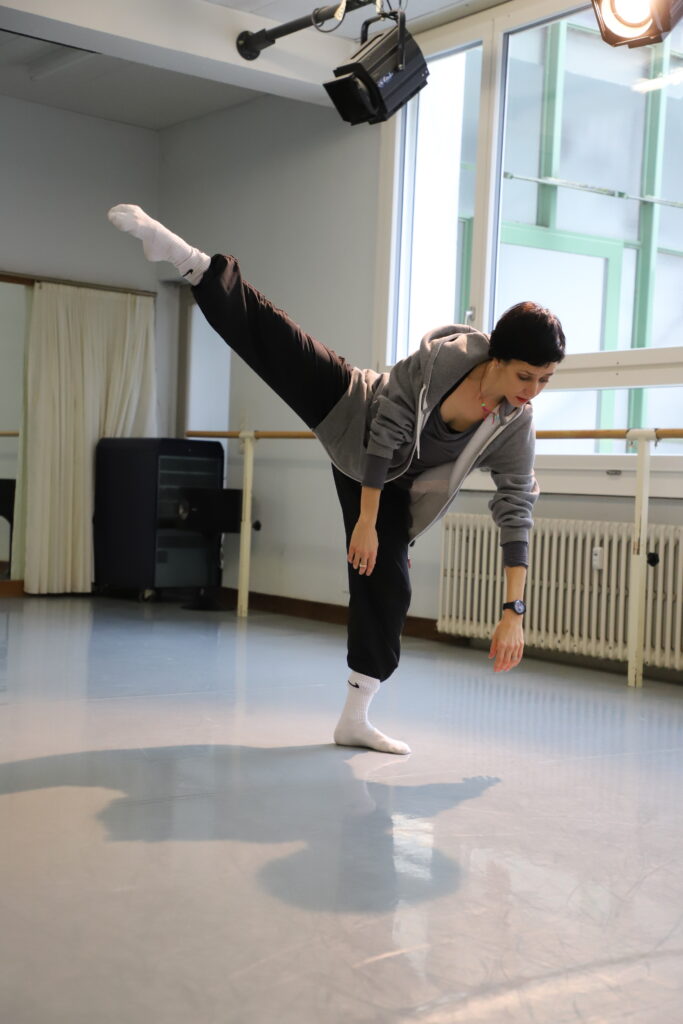
This image is one of our career coaching clients, Olivia Streater, who has a portfolio career.

http://linkedin.com/in/oliviastreaterlavizzari

What does agility mean?

The dictionary definition of agility is:

  • “the ability to move quickly and easily”
  • “the ability to think and understand quickly”
  • “the skills of pivoting quickly”

Until I looked up the definition of agility, I had always associated the word just with the physical, not the brain and thinking.

Impact of Covid-19 on accelerating change

Covid-19 and its impact on businesses has been a great example of agility at work!

Things that would have taken a long time to change, possibly 100 years, have happened in a matter of just months through necessity.

Pain is often a catalyst for rapid change.

“It is not the most intelligent of the species that is the most likely to survive, it is the ones most adaptable to change.” Charles Darwin.

We have all been thrown ‘in the deep end’ at work by Covid-19!!

We have had to adapt very quickly to on-line meetings on Zoom and Team, on-line webinars instead of face to face and much more!

Working parents have been forced to combine work and home-schooling. Something I have huge admiration for.

Covid-19 has forced people to be agile.

This is one of the positive aspects of Covid-19.

Times are changing. At last.

Working from home has opened up many people’s eyes to how things could be different.

How career agile are you?

Career agility is a form of intelligence. It is also a skill that can be learnt.

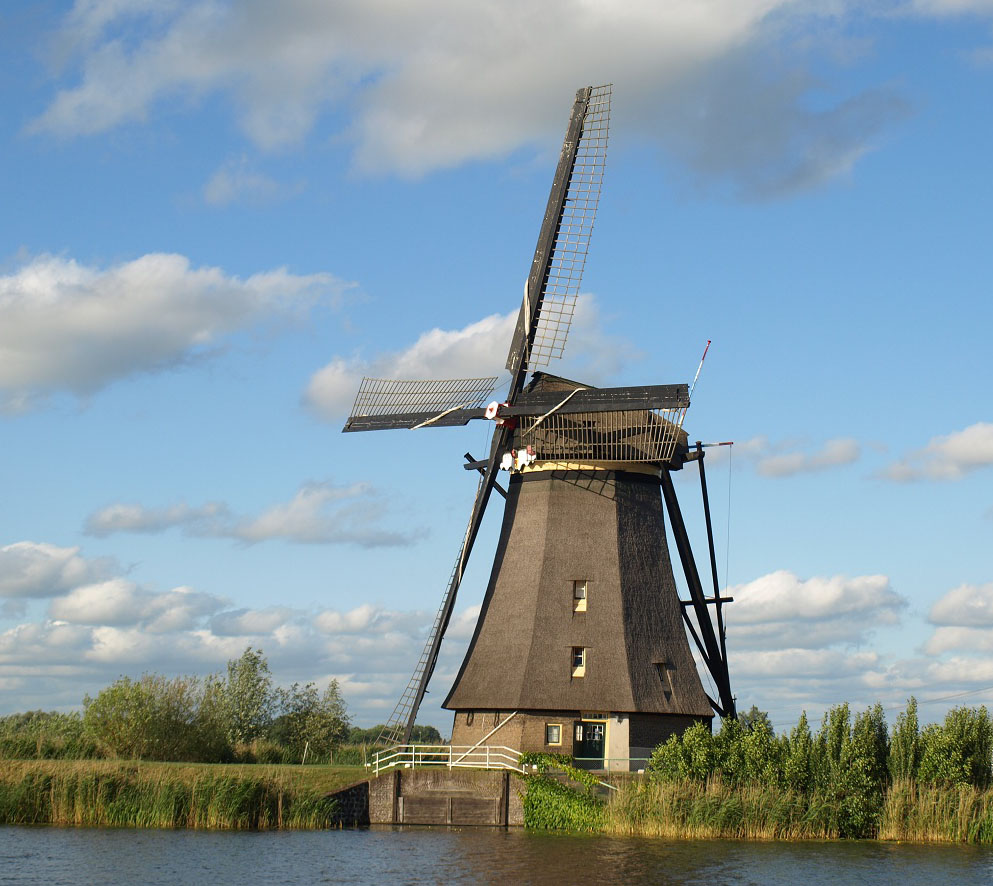
A very apt quote for our times is: “When the winds of change blow, some people build windmills, others walls.” Chinese proverb.

Lockdown = time to think

Lockdown in 2020 has given many people unexpected time to really think.

About what they want.

Are you ready to make a change?

Get in touch to arrange your free no-obligation meeting. https://www.inspiringportfoliocareers.com/contact-us/

More

4 reasons career agility is a must and how to get there:

https://www.womenonbusiness.com/4-reasons-career-agility-is-a-must-and-how-to-get-there/

What is your career agility quotient?https://www.atalent.com/define-improve-career-agility/

How to create career agility post-Covid: What it takes to be most competitive. Forbes article May 2020.

https://www.forbes.com/sites/sheilacallaham/2020/05/03/how-to-create-career-agility-post-covid-what-it-takes-to-be-most-competitive/?sh=62fc187b7c13

Filed Under: Career strategy and planning Tagged With: career planning, career strategy, covid-19, the talent liberation company, the talent liberator

How to create clarity in your career

November 28, 2020 By //  by Rachel Brushfield

“How do I decide what career I want?”

A big and important question, is it not?

Clarity is one of the 6 C’s you need when deciding what career you want.

It is especially important to successfully create, market, manage and evolve a portfolio career, because a portfolio career has multiple components, and therefore more options and decisions to make.

  • Confidence
  • Clarity
  • Community
  • Conviction
  • Competence
  • Courage

This blog post shares some useful resources – articles and podcasts, about how to create career clarity.

Why is career clarity so important?

As career coaches, helping our clients to get really clear about who they are, what they want and how to get it, is an important part of our job.

Investing time in creating clarity saves you a lot of wasted time, money and stress going down the wrong road.

In the digital age, there are millions of career options, resources to read, people to talk with.

A big decision like what career option to choose is a massive decision to make.

Especially in the uncertain times in which we live, with Covid-19 and Brexit.

How do we help our clients gain career clarity?

  • Self-completion questionnaires
  • Self-reflective questions
  • Personality and psychometric tests
  • Exercises – values, motivations, career drivers and many more
  • Creating unique exercises for them

Every client is different and so we tailor our approach to each client.

Career clarity is especially important when creating a portfolio career.

It is also important to review your career strategy regularly, as you change e.g. at different life stages, and as markets change.

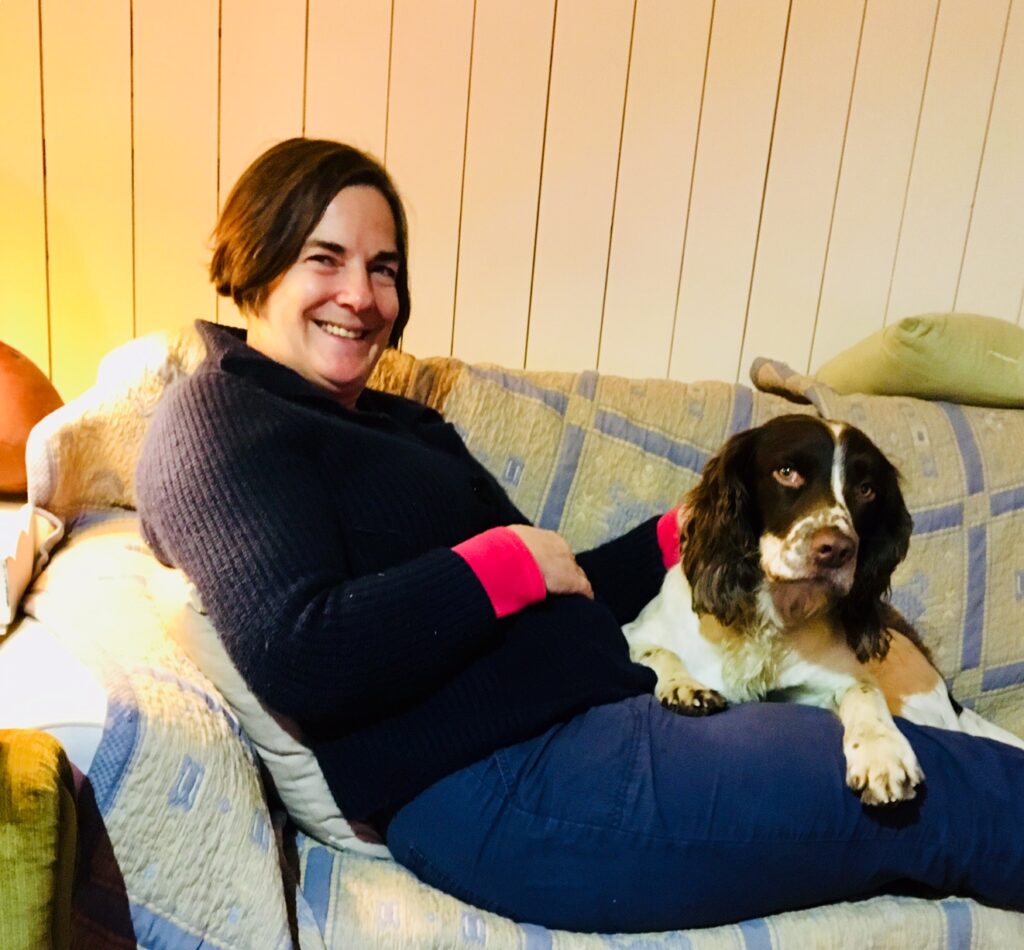
Rachel, Energise founder, takes regular away days and career retreats to think, reflect, plan and create. House sits provide a brilliant way to do this, explore new places, meet new people, and some gorgeous pets! Newness is one of Rachel’s values.

How clear are you on what you want from your career next?

What’s your career goal, strategy and plan?

Useful resources about gaining career clarity

Blog. What is lack of clarity costing you?

https://www.juliehyde.com.au/what-is-lack-of-clarity-costing-you/

Podcast. Journey to clarity – This episode is all about getting clear and building a new path to evolve your life. This is what clarity can do for you!

https://www.disruptnowprogram.com/blog/disrupt-now-podcast-episode-40-journey-to-clarity

What next?

Get in touch to arrange your free 20 minute meeting to explore how we can help you to gain career clarity:

https://www.inspiringportfoliocareers.com/contact-us/

Filed Under: Career change, Clarity Tagged With: how do I choose a career, how do I decide on a career, how do i decide what i want, rachel brushfield, the talent liberator

How does career coaching work?

November 28, 2020 By //  by Rachel Brushfield

This blog post shares a detailed example of how career coaching works in practice.

This case study is one of Peter Wilford’s clients, Mark P.

Objective

  • To provide a tailored programme of 1:1 career and executive coaching for a senior employee in his 50’s who was leaving his employer after over 30 years’ service.
  • To explore alternative options including securing employment with another organisation, moving into consultancy or starting up a new business.
  • To build rapport with the client over a period of time and deliver a tailored programme of sessions.

Background

From my experience of working with many people facing similar situations, I was able to spend some initial time with Mark in a “Review and Explore (Taking Stock)” phase during which he completed several documents including a series of profiling tools (personality and psychometrics).

These allowed me to clarify in some detail specifically what he, uniquely, could bring to his next role or work.

From here we discussed the different work and job options open to him.

There were four alternatives and each one required a full analysis and discussion.

Four career options:

  1. Setting up his own business

2. Marketing himself as a specialist consultant

3. Developing a portfolio career

4. Targeting the not for profit / public sector or SME organisations in the private sector.

Each option and strategy needed careful thought and positioning. 

Mark was keen to keep all options open and I coached him in how to do so whilst not losing momentum.

I helped him understand what he would need to do to move forward in each of the agreed options.

How the programme evolved.

During our sessions, it became clear that Mark needed to draw up a formal marketing plan for each option, and a structure to help him keep on track. 

We agreed that we would need to test out the necessary marketing actions and approach required for each option to establish a priority order.

It was important that Mark was comfortable with and could own and drive forward this plan and the actions confidently in the months ahead.

My coaching also revolved around building Mark’s confidence and giving him the tools to use on his own both with, and without my support, once his coaching was complete and we stopped working together.

He needed to have a good CV, to develop a good ‘talk’ about his career and work, and to be able to position himself in the market professionally both on paper and face to face at interview. 

He had to believe in himself and his career strategy.

How did we achieve this?

  • By agreeing a plan of action at the end of each coaching session, by following up on agreed actions and by reviewing these and revising them both at the start of and during our next session.
  • By maintaining momentum so that Mark was able to see progress moving forward.
  • I needed to challenge Mark and he wanted to see me do so in order to build up his confidence in me as his coach.
  • By narrowing down the options as time progressed so that Mark was able to focus his attention on the options that were likely to reap the most benefit.
  • By helping Mark come to terms with his situation and to move forward confidently from employment to a new life and a fresh career, after being made redundant and 30 years working with one employer.

Building confidence and momentum

Mark favoured a structured approach and we needed to develop a good relationship so that he trusted me and knew that my advice and coaching would benefit him. 

We worked in a way that suited him, but I needed to take him out of his comfort zone on several occasions. 

He valued this and it helped to strengthen our working relationship. 

I ensured that Mark saw real progress through regular reviews and email / telephone conversations in between our sessions

Challenges that we faced

A challenging jobs market. Slowness in the job market.  I coached Mark to learn how to persevere and overcome the slowness of the market with confidence.

Networking. Mark was not a natural networker and had been cautious about the value of networking and using LinkedIn. 

Social media. Like many clients initially, social media was quite alien to him. We had a session on this so that he bought into its value as part of his marketing activity.

Developing progress on his career journey

Gaining quick momentum gave Mark greater confidence in his marketability and him as a person.

He started to see things in a different light to what he had experienced in corporate life.  

We measured success by delivery against actions and making progress towards the agreed plan.

We also measured it by the number of new conversations that he started to have, both through new network contacts and from more established routes.

I saw Mark’s confidence grow in how he viewed and progressed the option to set up his own business and develop a portfolio career as opposed to going into another PAYE role.

What were the results?

Mark has set up his own business and picked up some initial retained consultancy work and this has been very motivational for him. 

He now has a portfolio career in place.

It has also helped him to recognise that this was the best way forward for him and that he has an offering that people want to buy. 

Also that he is able to make the transition to self-employment and run his own business.

Mark has become confident in managing his career by himself with me as a mentor as well as a coach. 

He has driven his own career being self-employed with myself as more of a ‘back stop’.  A career coach is like a pair of armbands, essential but then not needed anymore, as the client has learned to swim.

Phase two has worked well and he is now developing a successful business.

He is also developing, with a partner, an interesting and potentially lucrative project for regional businesses. 

He is working through the business plan and financials.  

He is also in contact with a multinational retailer who is interested in the programme.

Client testimonial

“Following my redundancy last year, Peter worked with me to assess my situation and help me consider the options open to me. Throughout this process he was unflagging in his enthusiasm, support, and encouragement. His approach was excellent – he listened sensitively to me as well as challenged and motivated me to make progress. He helped at a practical level too by, for example, drafting of a new C.V. for me. Peter’s professionalism backed up by his extensive knowledge, sources of information and a range of practical tools enabled me to explore options that I would never have thought of and ultimately helped me to decide on my new career path. Peter has been both a mentor and ‘critical friend’ and I have greatly valued his support. He was also fun to work with at a time that was fairly testing for me, which was a real bonus. I hope we can keep in touch!”   Mark W.

What next?

Why choose a portfolio career? https://www.inspiringportfoliocareers.com/why-portfolio-career/

Who is a portfolio career for? https://www.inspiringportfoliocareers.com/who-has-portfolio-careers/

What is a portfolio career? https://www.inspiringportfoliocareers.com/what-is-a-portfolio-career/

When is it time for a portfolio career?https://www.inspiringportfoliocareers.com/when/

Curious about how career coaching could help you at your career crossroads?

Get in touch to arrange your free 20 minute meeting: https://www.inspiringportfoliocareers.com/contact-us/

Filed Under: Career change, Portfolio career Tagged With: career pivot, career transition, energise -the talent liberation company, portfolio career, redundancy

  • « Go to Previous Page
  • Go to page 1
  • Interim pages omitted …
  • Go to page 4
  • Go to page 5
  • Go to page 6
  • Go to page 7
  • Go to page 8
  • Interim pages omitted …
  • Go to page 18
  • Go to Next Page »

Primary Sidebar

Sign Up for Our Newsletter

Privacy by SafeUnsubscribe

Looking for something?

  • Being
  • Career agility
  • Career capital
  • Career change
  • Career coaching
  • Career fulfilment
  • Career prospects
  • Career satisfaction
  • Career strategy and planning
  • Change and uncertainty
  • Clarity
  • Confidence
  • Contracting and interim
  • Creativity
  • Diversity & inclusion
  • Emotonal intelligence
  • Employee engagement
  • Employment law
  • Entrepreneurial
  • Evolving a business
  • Fear
  • Flexible working
  • Freelance
  • Future-proof your career
  • Goals
  • Guest blog portfolio career
  • Habits
  • Happiness
  • Health
  • Hobby becoming a business
  • Interviews
  • Learning
  • Managing emotions
  • Marketing and selling
  • Money and abundance
  • Motivation
  • Networking
  • New year
  • NLP
  • Optimism
  • Performance
  • Personal brand
  • Personal development
  • Portfolio career
  • Productivity
  • Redundancy
  • Reflection
  • Relationships
  • Resilience
  • Retirement
  • Returners
  • Second careers
  • Self employment
  • skills
  • Small businesses
  • Social business
  • Social media
  • Starting a business
  • Stress
  • Success at work
  • Supporting our network
  • Talent management
  • Thought leadership
  • Transferable skills
  • Uncategorized
  • Unretirement
  • Vaues
  • Women
  • Work
  • Work life balance
  • Work trends
  • Working mothers

On Twitter

Twitter Sent An Error: Could not authenticate you.
  • Facebook
  • LinkedIn
  • Twitter
  • Website Terms & Conditions
  • Cookie Policy
  • Privacy Policy

+ 44 (0) 845 22 55 010
rachel@inspiringportfoliocareers.com

Copyright © 2026 Inspiring Portfolio Careers from Energise, The Talent Liberation Company · Site Design by DigitalJen ·

We use cookies to ensure that we give you the best experience on our website. If you continue to use this site we will assume that you are happy with it.