• Menu
  • Skip to primary navigation
  • Skip to secondary navigation
  • Skip to main content
  • Skip to primary sidebar

Inspiring Portfolio Careers

From Energise - The Talent Liberation Company

  • Home
  • You
    • Why choose a portfolio career?
    • Who is a portfolio career for?
    • What is a portfolio career?
    • When is it time for a portfolio career?
  • Us
    • Why choose us?
    • What is our approach?
    • What are our values?
    • Who are our clients?
  • Services
    • On-line programmes
    • Career Coaching
    • E-Course
    • Skills CV Design
    • Marketing Mentoring
    • Personal Branding
    • Booking
  • Inspiration
  • Testimonials
  • Blog
  • Contact Us
  • Website Terms & Conditions
  • Cookie Policy
  • Privacy Policy
  • Home
  • You
    • Why choose a portfolio career?
    • Who is a portfolio career for?
    • What is a portfolio career?
    • When is it time for a portfolio career?
  • Us
    • Why choose us?
    • What is our approach?
    • What are our values?
    • Who are our clients?
  • Services
    • On-line programmes
    • Career Coaching
    • E-Course
    • Skills CV Design
    • Marketing Mentoring
    • Personal Branding
    • Booking
  • Inspiration
  • Testimonials
  • Blog
  • Contact Us

Blog

Are you following your ‘true North’?

February 1, 2026 By //  by Rachel Brushfield

What does the expression your ‘true North’ mean?

‘True North’ is like an inner compass. It helps you to direct your decision making, to make the right decision for you, not the wrong decision for you. A compass naturally points to the North Pole.

‘True North’ is a metaphor for staying aligned with what is most important to you, not what is important to others. This isn’t selfish, it is wise.

People often describe themselves as ‘having fallen into’ their original career. They use the phrase ‘I find myself….’

Often my career coaching clients chose their career because their parents thought it was a good idea, or their teacher at school, or they followed in their parents’ footsteps. All had inadequate careers advice, both at school and at University.

How does Energise career coaching help you find your ‘true North’?

I get my career coaching clients to do deep thinking and reflection using a combination of creative, analytical and experiential career coaching exercises.

Together we explore their:

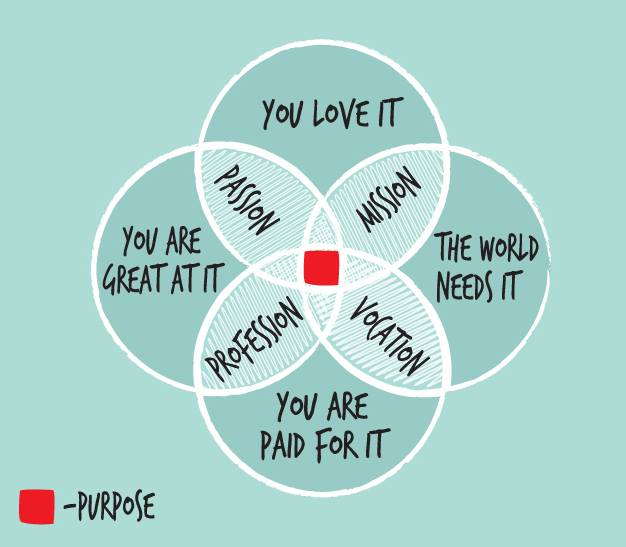
  • Purpose
  • Values – what is important to them
  • What motivates them
  • Their career needs (must have) and wants (nice to have)
  • Their ‘no nos’ – what they don’t want
  • What environment they thrive in
  • Beliefs

And much more.

The outcome is that they find their ‘true North’ and then make a career change informed by insight resulting in a role and career that fits them perfectly.

Benefits of finding your ‘true North’

  • More fulfilment at work
  • Greater happiness
  • Inner peace
  • Less stress
  • Saying no with inner conviction
  • Reduced risk of ‘career potholes’
  • Better decision making
  • Clarity of direction
  • Less likely to be pushed around by other people’s agendas
  • Getting back on track quickly after external ‘storms’ – regardless of external pressures
  • Increased confidence
  • Greater self-expression from a natural place – their ‘true North’
  • Actions with consistency and integrity
  • Greater self-awareness

Examples

Me – I remember working in Marketing and whenever I thought about becoming a Marketing Director, I just couldn’t picture myself doing this role. It didn’t feel right. It didn’t appeal.

This was the point in my career when I switched to the agency/consultancy side as a strategist/brand planner, which was much more ‘me’. It appealed because it was about insights and you had lots of variety, rather than just working on one brand as I had when I worked in marketing. Variety is one of my values which is why I have chosen to have a portfolio career. Newness is another.

I interviewed some professionals for a chapter I wrote recently, and I thought this comment was ‘spot on’.

“I wish I hadn’t compared myself so much to others and had focused more on my own path. Early in my career, I often measured my progress against where my peers were, which sometimes created unnecessary pressure. Over time, I’ve learned that everyone’s journey is different, and success doesn’t follow a single timeline. The moments when I trusted my instincts and followed my own direction have been the most rewarding, both professionally and personally.”

Some of the career changes we have helped our clients to make

• From project management to running cheese holidays in France
• From human rights lawyer to dance therapist
• From educational lawyer to CEO of an orchestra
• From account manager to photographer
• From business development to setting up a charity
• From commercial lawyer to therapist

Are you following your ‘true North’?

7 self-reflective questions

Bill George wrote a book in 2007, ‘True North’ about authentic leadership.

These questions below are adapted from his book.

  1. What do I want my legacy to be?
  2. If money was no object, how would I spend my time?
  3. My life is a quest for …….
  4. What is my biggest regret? If I could ‘rewind the clock’, what would I change?
  5. What skills or qualities do people compliment me on?
  6. Imagine it is 20 years into the future, what is the one thing if I never pursued it, it would be a lifelong regret?
  7. What is my purpose?

Filed Under: Uncategorized

What is your gratitude debt?

February 1, 2026 By //  by Rachel Brushfield

A bizarre thing happened to me a few months ago.

An intuitive thought landed into my mind out of the blue from nowhere, unexpectedly.

It was 2 words.

‘Gratitude debt.’

Not a phrase I had ever heard. Or used.

Bizarre. I listened to it.

It wasn’t until I married an orphan, the product of 2 diasporas on both sides of their family who had to flee for their survival, that I realised how lucky I am.

Having a family, a home, support.

Watching the news about Gaza and Ukraine – having running water and shelter.

What is gratitude?


Gratitude is the quality of feeling or being thankful and appreciative for the good things in your life, recognising the value of blessings, people and experiences, even small ones.

It involves acknowledging goodness and understanding its sources such as other people or circumstances. Practising gratitude means consciously reflecting on and appreciating the positive aspects of life, which can enhance overall well-being.

Quotes about gratitude.
“Gratitude is the ability to experience life as a gift. It liberates us from the prison of pre-occupation.” John Ortburg.

“The more you practice the art of thankfulness, the more you have to be thankful for.” Norman Vincent Peale.

Key aspects of gratitude
• Thankfulness
• Recognition of value
• External sources
• A positive emotional state

Why is gratitude useful?
• It helps you to focus on what you have, not what you haven’t.
• A mindset of gratitude is a positive mindset
• It helps well-being and happiness
• It strengthens relationships

7 practical tips to practice gratitude

  1. List the things/people in your life that you are grateful for.
  2. Express gratitude – mental appreciation, by saying thank you, a gesture such as a greeting card.
  3. Keep a gratitude diary.
  4. Set an intention every day to give back e.g. ‘how can I make someone’s day today?’
  5. Give back – do ‘random acts of kindness’.
  6. Be specific – what specifically is it that you are grateful for?
  7. Gratitude is a behaviour that can be learned, even if you a pessimist – it can become an effective habit.

4 self-reflective questions about gratitude

  1. What am I grateful for?
  2. What is my ‘gratitude debt’ and to who?
  3. What does gratitude mean to me?
  4. What 3 specific actions will I take to show my gratitude?

Filed Under: Uncategorized

How can you read between the lines?

February 1, 2026 By //  by Rachel Brushfield

Dictionary definition of ‘reading between the lines’:

“Look for or discover a meaning that is implied rather than explicit.”
Source = Cambridge Dictionary.

What are the reasons why people may not explicitly express themselves?


Many people don’t say what they are feeling for a number of different reasons.

  • They live in their intellect and don’t believe in/trust their emotions.
  • They worry about being ‘knocked back’ – rejected or criticised.
  • They are shy.
  • They don’t think their opinion matters.
  • They are not used to saying what they really feel because other people e.g. extrovert colleagues or friends/family speak first.
  • Fear of saying the ‘wrong’ thing.
  • Lack of confidence in themselves.
  • Strong characters or more senior people in the situation.
  • Culture.

What other reasons would you add?

The language of ‘reading between the lines’

  • Inferring – concluding something from evidence and reasoning
  • Deducing – reasoning from the general to the particular to find a conclusion
  • Interpreting – explaining or understanding the meaning of something including the implied or hidden meaning
  • Gleaning – gathering information from various sources
  • Surmising – supposing that something is true without having direct proof

Quotes about ‘reading between the lines’
“Meaning isn’t always found in the words themselves but rather in the spaces in between.” Michelle Sandlin.

“The most important thing in communication is hearing what isn’t being said. The art of reading between the lines is a lifelong quest for the wise.” Shannon L Elder.

9 tips to read between the lines

  1. Ask open clarifying questions, followed by ‘closed questions’ (to which the answer is ‘yes’ or ‘no’) to check your understanding of the person and context.
  2. Know specifically how your intuition presents itself, e.g. a feeling/sensation in a specific part of the body.
  3. Use your unconscious mind to guide you – learn when your body is telling you ‘yes’ or ‘no’ to a direct specific question.
  4. Reflect on who you know who is covert or overt in their communication.
  5. Listen with all your senses.
  6. Observe the person’s body language and voice pitch and tone.
  7. Notice the gaps, pauses and silence when someone expresses themselves.
  8. Ask yourself this question ‘What isn’t being said?”
  9. Observe their eye movements. (top left is remembering, top right is looking to the future/creating, bottom left is having an internal conversation, bottom right is connecting with their feelings.)

Examples of ‘reading in between the lines’

  • Your partner is very grumpy and you think it is your fault. It turns out that their back is hurting, they just hadn’t told you this.
  • Your relative is rude to you. You find out that they had a difficult day and that they projected their frustration onto you.
  • Your friend doesn’t reply to your message. You take affront and then realise that they are withdrawn because they are having a difficult time, and it is their way of coping.
  • You don’t hear back following a second interview. On reflection, you realise that you must be the no 2 candidate, and the delay may be caused by them having given a job offer to the no 1 candidate, and they are waiting to hear back from them.
  • A contact you haven’t heard from for a while gets in touch and suggests that you meet up. You are really busy, but their unexpected contact makes you curious. You meet up with them and discover that they are feeling lonely.

What other examples can you think of where ‘reading between the lines’ is a useful skill?

Filed Under: Uncategorized

I love my job/career! Do you? 

February 14, 2024 By //  by Rachel Brushfield

Happy Valentine’s Day!

Love has many contexts: Partners, pets, friends, children, job/work.

The context of this article is work/career.  I have a portfolio career by design, which I love – it gives me variety, learning, is future-proof and makes a difference.

This short article shares:

  • Common causes of not loving your work/career
  • Lack of career love to an extreme
  • Career coaching client examples and how I helped them
  • What you can do to fall back in love with your work
  • What next?

If you love your work and career – great!

If not, read on. Also, someone in your network may benefit from reading this article – why not share it with them?

Common causes of not loving your work/career

  • Boss – lack of support/feedback from your line manager
  • Outlier  you feel like your ‘face doesn’t fit’
  • Strengths mismatch – your current role doesn’t play to your strengths
  • Stale + bored – you feel bored by repetitive work/tasks
  • Lack of challenge + learning – the role that you are doing is beneath your capability and you don’t feel intellectually stimulated
  • Stayed too long – you have been with one employer for many years, too many years for whatever reason, and a change feels scary, understandably
  • Undermining boss – you have a narcissistic boss who takes pleasure in demeaning you and making you feel bad 
  • Values mismatch – what is important to you is different to what is important to your employer
  • Wrong fit – your specialism isn’t a key strategic focus for your employer
  • Wings clipped – your boss micromanages you and stifles your enterprise
  • Dead end – you have been passed over for promotion
  • Recognition bypass – you haven’t got the recognition that you feel you deserve
  • Ageism barrier – you are experiencing ageism and not being developed or given training – you want to slow down but not stop yet
  • No step up – Where next?! – there are no career opportunities to advance where you are
  • Hate your career – you fell into your career and don’t love it or even like it. If you are really honest with yourself, you never have
  • Want change but – you know that you want to make a career change but feel fearful, procrastinate and then ‘beat yourself up’ feeling more miserable and stuck by the day
  • Unfair rewards – you haven’t had a pay rise for many years and are finding it hard to keep up with the cost of living
  • Invisible – your boss takes credit for your achievements and you not given the visibility or recognition that you deserve
  • Side-lined – you are not allowed to get involved in flagship projects or deals, instead are involved in admin and hidden behind the scenes so you feel invisible 
  • Pushed out – you feel like you are being pushed out and encouraged to leave without being given redundancy
  • Redundancy rumours – your employer is not doing well and there are rumours of redundancies which are likely to affect you
  • Home alone – you work from home and feel miserable and miss the company and banter of being in an office
  • No life balance – you have poor work life balance because your employer has rigid policies, insists on presentism and you are juggling caring responsibilities, either aging parents, children or both
  • Shifting sands – the company you work for now is different from the one you joined and used to love; different culture, a leadership team you don’t like, it has grown big and become all about processes and policies when it used to be small and friendly and you knew everyone
  • Unappealing prospects – you don’t like what the next step up looks like e.g. a Partner in a law firm with fee earning pressures and needing to invest in the business
  • Empty purpose – you don’t feel connected with your employer’s purpose

What other causes of not loving your work would you add?

Which cause/causes listed above do you relate to?

In my 23+ years of being a career coach, I have dealt with clients affected by all these different causes of not loving their work or career.

The important thing is to take the decision to do something about it. It doesn’t have to be immediate but give yourself a gift today, Valentine’s Day to make a change. You deserve to love your job/career.

We spend many many hours at work in our lifetimes, and life expectancy is increasing, with the retirement age going up.  It is really important to love, or at a minimum like your work. Do you?

Lack of career love to an extreme

A number of times we have worked with clients who have been signed off work sick. It is like their body is saying ‘get me out of here’!! Time off work, sick leave, gives you time to think and change direction. Don’t let it get to that point!

Career coaching client examples and how I helped them

Sector/job mismatch – J was a lawyer working in SaaS which didn’t interest them – I helped them to get really clear about what products, services and sectors they were interested in so that they could be targeted in looking for their next role

Specialism mismatch – M’s law firm was taken over and her specialism was not important to the new firm – I helped her to continue to believe in herself and develop a long-term career strategy, and she moved to a new law firm whose focus matched hers

Unappealing step up – L was a successful associate but the role and pressures of being a Partner didn’t appeal. We helped her to pivot into a non-fee earning role ‘professional support lawyer’ and plan her long-term career strategy. She is now on track to achieve her dream role/career – CEO of an orchestra

Values not aligned – N was working in a practice group doing ‘commercial’ work that didn’t interest her. We helped her to understand what was causing her dissatisfaction and to pivot in a direction that was more her. She negotiated working a couple of days a week in charity law with her current firm and started studied for a higher qualification that would help her to move in her ideal career direction.

It’s my time now – M had put her own career on the backburner, putting her husband’s career then raising 3 kids as the priority. She felt sadness and regret, and we helped her to make her own needs a higher priority, free up time for career coaching and get her career back on track, sharing career options that suited her better than her current role with a plan to achieve it

We have lots of case studies to share, get in touch.

What you can do to fall back in love with your work

  • Keep a diary of highs and lows at work to see what the triggers are for not feeling happy and fulfilled;
  • Work with an experienced career coach who possesses in-depth knowledge of your sector/profession to properly dedicate time and energy to this important topic for fulfilment, finance and many other reasons;
  • Understand your personal values, motivations, career needs and wants and what may be causing career dissatisfaction and for you not to love your work/career;
  • Get involved in additional activities at work that broaden your experience and knowledge;
  • Ask for an internal or external secondment;
  • Get an external mentor;
  • Develop a side gig;
  • Start to develop a stimulating portfolio career – a future-proof career.

What would you add as tips?

Interested in career change?

Career change isn’t easy, a bit like finding the ideal partner for you. Contact us for case studies and client testimonials, and/or or see the Recommendations section on our LinkedIn profile. 

What next?

If you would like a confidential no-obligation chat about your career, get in touch.

Filed Under: Uncategorized

Bravery, strength and luck

February 11, 2024 By //  by Rachel Brushfield

2024 Chinese symbol

2024 is the year of the Dragon, or more specifically the ‘Wood Dragon.’

A Dragon symbolises bravery, strength and luck.

Wood Dragons in particular have the drive and motivation to put their ideas into practice and are original.

You need bravery, strength and luck to change career direction.

This short article shares client and personal examples of bravery, strength and luck and tips.

What is bravery?

Bravery means: “The quality or state of having or showing mental or moral strength to face danger, fear or difficulty.”

An example of bravery

My husband is an orphan and the product of 2 diasporas (German/Jewish + India/Pakistan).

Not only is he one of the bravest people I know, and the most determined, he has done a massive amount of pro bono to help others throughout his life. He inspires me so much. He lives all 5 career adaptability competencies, Control, Curiosity, Commitment, Confidence and Concern.

Tips to be brave

  • Find humour in a difficulty – choose to see the ‘light’ in a ‘dark’ situation.
  • Be inspired by the bravery of people dealing with worse difficult situations than yourself; war, disability etc.
  • Recall a time when you were brave. Relive the memory and connect with the positive emotion of bravery.

What is strength?

Strength means: “Capacity for endurance, toughness”.

A client example of strength

One of my clients left advertising and set up a charity. He has raised millions of pounds to help people. In one coaching session he was going through a particularly difficult time. I created an obstacle course in the meeting room with different objects representing different challenges and got him to pick up one object at a time and work out how he was going to overcome it. 20 years on, he is still helping people and is brave to overcome all that he has along the way.

A personal example of strength

Just before the credit crunch of 2007, I had self-funded a 6-month CPD break about talent management, employer branding and employee engagement.

The credit crunch happened.

A very very difficult time.

I felt quite desperate for a while.

Then I managed to find and activate an ‘inner turbo boost button’ and regain my inner strength.

The government realised that Job Centres weren’t equipped to deal with the large number of executives and professionals being laid-off and so started a scheme to support them.

My company Energise was one of the first to tender and be approved and I did a one-day workshop ‘Steer your career’ with an associate helping hundreds of people for 2.5 years.  This kept my ‘head above water’ until the economy began to improve.

PS My personal brand ‘The Talent Liberator’ was a positive outcome of the 6-month CPD break! Percolation led to creativity!

Tips to be strong

  • Practice equanimity. Put simply, it is accepting the ‘rough and smooth’ of life instead of wishing things were different.
  • Recall a time when you overcame a difficult situation or challenge. What enabled you to do this?
  • Who do you know who is strong? What is their approach or attitude to life?

What is luck?

Luck means:

“Success or failure apparently brought about by chance rather than through one’s actions.”

An example of luck

I attended a MediaTrust https://mediatrust.org/ thank you Christmas celebration for volunteers who had helped charities pro bono.

There were some lawyers from the ‘magic circle’ global law firm Clifford Chance there.

By chance, that day there had been a news item about Clifford Chance being the worst law firm to work for a healthy work life balance. I cheekily introduced myself and asked if they had camp beds in their office for late nights working deals and cases.

Having got their business cards, I followed up and sent them my newsletter. This led to coaching a couple of people in law firm management who recommended me to their boss. The managing partner was at a career crossroads and I then became his career coach. 

Tips to have luck

  • Give what you lack.
  • Reflect on what luck or ‘happenstance’ you have had in your life.
  • Plant ‘seeds’ without attachment and be curious about what happens.
  • Join a new network.
  • Have a conversation or meeting with someone you wouldn’t normally.

Interested in career change?

Career change isn’t easy. It takes bravery, strength and luck. Contact us for case studies and client testimonials, and/or or see the Recommendations section on our LinkedIn profile. 

What next?

If you would like a confidential no-obligation chat about your career, get in touch.

Filed Under: Uncategorized

How inspired are you by your career?

February 11, 2024 By //  by Rachel Brushfield

I had an unexpected shock just after Christmas 2023.

My husband nearly died. He is fine now, thank goodness.

Something like this doesn’t half make you think about what REALLY matters.

So I lost my mojo for a while, and new year celebrations didn’t happen.

My new year 2024 starts this Saturday 10 February, Chinese New Year!

2024 Chinese symbol

2024 is the year of the Dragon, or more specifically the ‘Wood Dragon.’

A Dragon symbolises bravery, strength and luck.

Wood Dragons in particular have the drive and motivation to put their ideas into practice and are original.

You need bravery, strength and luck to change career direction.

I am lucky to have been born with an ‘insights and ideas mind’ – useful to help my clients think about what else they could do.

What is inspiration?

What/who inspires you?

Where does inspiration come from is such a big question, isn’t it?

Inspiration means:

“The process of being mentally stimulated to do or feel something, especially something creative.”

How inspired are you feeling about your work/career?

How is your 2024 going?

Are you feeling inspired?

Who or what inspires you?

What inspires a career change?

I find that people change career direction moving away from they don’t like and/or towards something different that inspires them.

  • Redundancy;
  • Lack of fulfilment;
  • Unhealthy work life balance;
  • Desire for a future-proof career;
  • Wanting to run their own business;
  • Poor prospects;
  • Something else?

This topic of inspiration got me thinking of all the clients I have helped in the last 23 years being a career strategist and coach.

Causes of being in the wrong career

Why do people fall into the wrong career for them and find themselves unfulfilled?

I did an analysis recently of my clients and what led them to be in the wrong career.

The reasons were:

  • Poor careers advice at school or college;
  • Desire for financial security due to challenging family circumstances;
  • Parents with different values/motivations to you;
  • Lack of self-awareness/knowledge;
  • Insufficient research into career options before choosing;
  • Not looking at long term work trends;
  • Teachers putting their own bias/preferences onto students;
  • Wanting to please your parents;
  • Parents wanting to realise their unfulfilled dreams through their children;
  • External circumstances e.g. poor economy + jobs when entering the world of work;
  • Personal family circumstances e.g. orphan or foster parents etc.;
  • Lack of career mentoring;
  • Prioritising raising your children over your own career ambitions;
  • No budget to do what you really wanted to do.

What factors would you add?

Are you inspired in your career?

If yes – great! If not, it is never too late to change career and get on the right career path for you.  

Younger generations will change their careers at least 7 times due to the rapid pace of change. 

Life is too short to stay in a career that isn’t right for you.

When’s the best time to start changing career direction?

  • Never
  • Now
  • A specific date in the future
  • Something else?

Start the ball rolling and get in touch, or mention Energise to someone you know who isn’t inspired by their career.

What inspired my clients to change career direction?

Project manager Debi loved cheese so created a cheese tour holiday business in France.

Advertising executive Duncan wanted to make a difference after doing a motorbike tour of the world so started a charity to bring water to African villages.

Human rights lawyer Olivia loves dance and wanted to help people so retrained as a dance therapist.

Education lawyer Lydia is a skilled oboe player, so combined both pivoting to be the CEO of an orchestra.

These are just some of the clients we have worked with over the last 23 years as a career coach with a marketing and brand strategy and communications heritage.

Portfolio careers

Developing a portfolio career is a good place to start.

Adding more ‘ingredients’ of skills, experience and knowledge to your ‘career recipe’ so you can create new opportunities in future is wise. 

A portfolio career = a future-proof career.

What/who inspired my career?

My career was inspired by a man called Charles Handy.

He was way ahead of his time.

Read about him here.

https://www.london.edu/think/profile-charles-handy-social-philosopher

Specifically his book ‘The Age of Unreason’ published in 1995 led to me setting up my own business Energise in 1996, 28 years ago.

Filed Under: Uncategorized

Benefits of future-proof careers

March 26, 2023 By //  by Rachel Brushfield

This is an Energise blog series with three blogs about creating a future-proof career. This is part 3 of 3.

Read part 1: Why you need a future-proof career https://www.inspiringportfoliocareers.com/why-you-need-a-future-proof-career/

Read part 2: How to start creating a future-proof career: https://www.inspiringportfoliocareers.com/how-to-start-creating-a-future-proof-career

A future-proof career provides many benefits in uncertain times.

  • It is like having ‘career insurance’.
  • It gives you options – a career plan A, B and C, and more opportunities.
  • Broadening your skills, experience and knowledge gives you more potential career routes in the future.
  • You can pivot in a new direction as trends change and you change e.g. at different life stages.
  • It spreads risk, just as having different financial investments spreads the risk, should anything happen in the financial markets.
  • You gain peace of mind, important in challenging times.  
  • A future-proof career gives you flexibility, variety, fulfilment and is stimulating.
  • You can ‘put your toe in the water = safe experimentation – to try new things.

12 reasons why I am useful to help you create, manage and market a future-proof career

  1. Help you to market yourself strategically.
  2. Help you to network strategically and build your professional network.
  3. Help you to develop an alternative plan ready to execute – a career plan A, B and C.
  4. Support you to constantly re-skill.
  5. Support you to make time to review, think and plan.
  6. Help you to ‘think out of the box’ – new and different ways to use your talents.
  7. Help you to develop an identifiable area of expertise to become the ‘go to person’ for x …
  8. Brand yourself – create a personal brand, verbal business card and strap line.
  9. Creative ways to captivate the interest of prospective clients/employers.
  10. Build your self-belief.
  11. Provide useful insights and perspectives re what is in demand in the marketplace and how best to apply your skill sets.
  12. Share experiences from having a future-proof portfolio career myself – mistakes, shortcuts, reduce the length of their learning curve, being resilient etc.

Client examples

Lydia

Lydia changed her career direction from working in a law firm to leaving the law and working in music management. This transition took place over 2.5 years, in a series of stages including moving into a non-fee earning role and taking a secondment.  

“I realised that I would be useful in another sector and that I had something to offer that was of value. Coaching with Energise gave me confidence to talk to others about my aspirations and to make useful new connections and proactively gain new experience to ‘test the water’. I now feel more aware of my skills and abilities and open to exploring new possibilities. The Energise ‘career recipe’ method has been really useful in evaluating why I might feel unhappy or unsettled in a work situation and what I should look to change for a better fit.”

Lydia Brookes.

Shelley

Shelley moved continents with my support, fulfilling a lifetime dream.

“Simply put, Rachel is amazing and she helped me so much, for that I am eternally grateful. She is an incredibly skilled and experienced coach, who manages to effortlessly combine professionalism with a completely wonderful human touch. She is so responsive to your individual needs and this means that I felt I had a 100% personal journey and experience.” Shelley Seed.

Nicola

Nicola moved jobs and countries and took a career break as a result of her career coaching with me.

“Working with Rachel as my coach provided a positive voice about what I was capable of, uncovering insights about what was really important to me and what next in my career and life, and the importance of ongoing learning and embracing new challenges.” Nicola.

Lydia, Shelley and Nicola have all worked with me 3 times at different career crossroads.

About your career coach Rachel Brushfield

My job is to help my clients to have an uplifting breakthrough at major career crossroads and create future-proof careers, giving them peace of mind in an uncertain world.

I have been a career strategist and coach for over 25 years and creating skills CVs for over 35 years.

I have an insights and ideas mind! This comes from my career heritage in strategy and innovation. This is very useful to help my clients create a future-proof career.

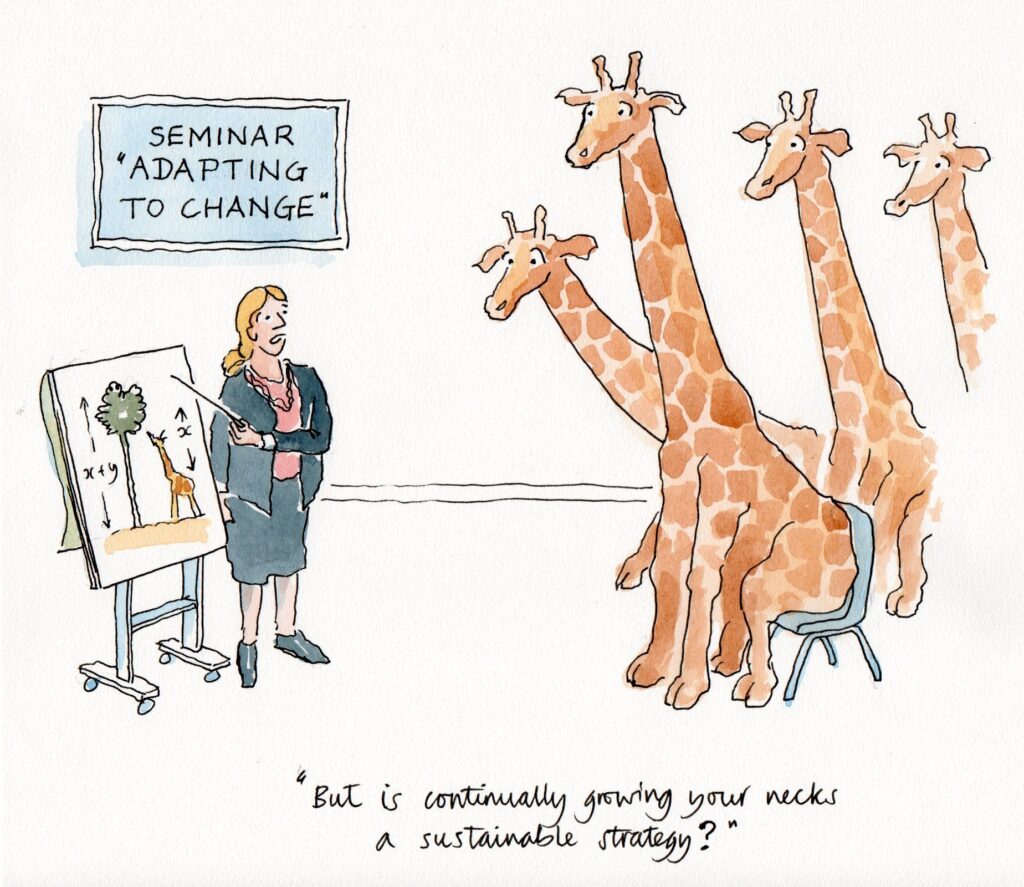
“It is not the strongest of the species that survives, not the most intelligent that survives. It is the one that is most adaptable to change.” Charles Darwin.

What next?

Contact us to arrange your free no obligation 20 minute meeting about your needs and how we can help. https://www.inspiringportfoliocareers.com/contact-us/

Filed Under: Uncategorized

How to start creating a future-proof career 

March 26, 2023 By //  by Rachel Brushfield

This is an Energise blog series with three blogs about creating a future-proof career. This is part 2 of 3.

Read part 1: Why you need a future-proof career

Why you need a future-proof career

So how do you start creating a future-proof career?

A good place to begin creating a future proof career is to develop the 5 career adaptability competencies the ‘5Cs’s’. This will put you in good stead.

The ‘5 Cs’ are: control, curiosity, commitment, confidence and concern.

  • Control – being proactive, decisive & taking responsibility for your career.
  • Curiosity – broadening your horizons by seeking options, possibilities and knowledge.
  • Commitment – passionately pursuing & taking action to move to the career horizon of your choosing.
  • Confidence – belief in yourself & that you can achieve your goal.
  • Concern – having a positive & philosophical attitude to mistakes or rejection.

Client examples

Sophie

Sophie’s confidence in what she has to offer has been rebuilt and she is pushing out her comfort zone more and more in marketing herself.

“Tonight, I went to the launch of a new network that I was thinking about joining. I’ve come home absolutely buzzing and have realised that at the beginning of this year (a) I would never have backed myself enough to join the network; and (b) I would never have gone around a room of strangers (politely!) interrupting their conversations to introduce myself and join in on their chats, do it multiple times and really enjoy it! I met a heap of fabulous and interesting people and who I have connected with and we are going to meet again/try to find ways collaborate. I want to thank you because you really have been instrumental in all of this and how far I feel I have developed during this year. So…THANK YOU!”

Sophie J.

Rachel N

Rachel worked with me during Covid-19 lockdowns, and successfully moved home and jobs at a very uncertain time in the world.

“I found Rachel both creative in approach yet structured and holding me accountable to agreed actions. Her style is warm, friendly with clear boundaries. If you are thinking about having coaching at this uncertain time in the world, don’t think twice, make the decision and influence your future prospects.”

Rachel Nagy.

Claire

Claire gained new ideas from working with me and is now a published author, following my introduction to a publisher which is helping her pivot in a new career direction.

“Rachel really helped guide me in what I was looking for, forcing me to think wider than the confines of my current career. She has some insightful exercises to help delve into these areas.”

Claire Shasha.

Penny

Penny was made redundant and I shared different ways in which she could use her skills, knowledge and experience to move her career in new directions, creating a future-proof career.

“I particularly appreciated Rachel’s ability to generate ideas and suggestions for further exploration.”

Penny Fowler.

11 tips to start creating a future proof career

As well as developing your career adaptability competencies, create a career plan incorporating these actions:

  1. Personal networking – build and leverage your network.
  2. Build your reputation e.g. testimonials and client case studies.
  3. Create targeted biogs.
  4. Develop your personal brand.

5. Build your career capital, things that make you marketable, e.g. thought leadership, awards, higher level of qualification, career accreditations etc.

6. Develop your social media presence.

7. Develop specialisms – in demand niches.

8. CPD – focus on in demand skills, where there is a skills shortage e.g. data analytics

9. Make time for regular reviews to take stock – trends, pipeline, marketing, CPD, money etc.

10. Develop a ‘side hustle’ e.g. turn a hobby into a paid project e.g. cake making.

11. Broaden your skills, knowledge and experience. This will give you more options in the future.

About your career coach Rachel Brushfield

My job is to help my clients to have an uplifting breakthrough at major career crossroads and create future-proof careers, giving them peace of mind in an uncertain world.

I have been a career strategist and coach for over 25 years and creating skills CVs for over 35 years.

I have an insights and ideas mind! This comes from my career heritage in strategy and innovation. This is very useful to help my clients create a future-proof career.

What next?

Contact us to arrange your free no obligation 20 minute meeting about your needs and how we can help. https://www.inspiringportfoliocareers.com/contact-us/

Filed Under: Uncategorized

Why you need a future-proof career

March 26, 2023 By //  by Rachel Brushfield

This is an Energise blog series with three blogs about creating a future-proof career. This is part 1 of 3.

  1. Why you need a future-proof career
  2. How to start creating a future-proof career
  3. Benefits of future-proof careers

“The best way to predict the future is to invent it.” Alan Kay.

Job market challenges

It is a candidate’s market in many ways due to skills shortages, but also there are many challenges.

  • Recession
  • Rising cost of living and inflation
  • Redundancies
  • Growth in project and contracting work – less certainty
  • De-risked workforce planning by employers
  • Training and consultancy projects cancelled, delayed or reduced in scope
  • More competition
  • Artificial intelligence’s impact

What would you add?

It can be challenging to navigate your way through the changing world of work. A bit like being in a maze!

That is why working with an experienced career coach really helps.

Client examples

Mick

Mick’s employer changed his contract from 5 days to 3 days/week. Initially this felt challenging, but it gave him financial certainty plus time to develop new projects, something he really loves as he is very creative and entrepreneurial.

“Rachel’s skills in rewriting CV’s, personal branding and partnership development are second to none. Furthermore, she is extremely likeable, professional, shows great empathy but with a real professional focus and you look forward to your sessions as she stirs creativity, innovation and encouragement.”

Mick McLaughlin.

Gemma

Gemma is very experienced and good at what she does. With a young daughter, uncertainty of work every month was causing her worry and she wanted to have more financial certainty. She secured a contract with a large respected publisher and is flourishing.  

“Some of the changes I experienced working with a coach were subtle. I now have an increased awareness of the source of the misconceptions I had about myself professionally and simple, tangible things I can do to move past them.“

Gemma Sadowksi.

Sarah

We helped Sarah to rethink her career for more fulfilment.

“Rachel is very knowledgeable and creative. She will give you incredible ideas that you would never have thought of and help you understand your values, motivations and purpose.”

SW.

About your career coach Rachel Brushfield

My job is to help my clients to have an uplifting breakthrough at major career crossroads and create future-proof careers, giving them peace of mind in an uncertain world.

I have been a career strategist and coach for over 25 years and creating skills CVs for over 35 years.

I have an insights and ideas mind! This comes from my career heritage in strategy and innovation. This is very useful to help my clients create a future-proof career.

Call to action – contact us to arrange your free no-obligation 20 minute meeting about your needs and how we can help. https://www.inspiringportfoliocareers.com/contact-us/

Filed Under: Uncategorized

The Career Wellbeing Series: Introduction

February 12, 2023 By //  by Rachel Brushfield

If there are two things we have learnt from Covid-19, (other than how important it is to wash your hands well!), it is that (1) our mental health is just as important as our physical health, and (2) that working in unfulfilling careers can leave us feeling purposeless. Lock-down gave people time to think about what was really important to them and that work life balance was possible, without the grind of commuting.

Different areas of life don’t fit in 1 neat box

Often these two areas of our lives, work and mental health, can become very intertwined. Work can be stressful and put a strain on our mental capacity, which if left to fester without additional support, can even affect our physical wellbeing too.

The mental health charity Mind estimates that in any given week in England, 8 in 100 people experience mixed anxiety and depression and 6 in 100 people experience generalised anxiety. Additionally, they contend that if you frequently experience stress from work, you can be at risk of developing mental health problems, exacerbating existing ones or causing yourself physical burnout. The Pandemic, on the positive side, got mental health out in the open, with less stigma about it – it became mainstream.

It should be noted however, that there is a difference between occasionally feeling pressure at work, either to perform well or because the workload increases at different points in the year, and consistent, avoidable stress for various reasons which can cause burnout.

The importance of personal values + your career being on purpose

One of the reasons people can feel stress and pressure at work is because they are working in unfulfilling careers that do not align with their values. It is very common for many of us to just “fall” into the careers we are working in without knowing what is actually important to us. This can leave us feeling unfulfilled, frustrated and dejected.

Burn out is growing

At Energise, it is not uncommon for us to work with clients who have become so physically burnt out that they have been signed off work for stress. They are de-energised. It is only this moment of realisation and time away from their role that prompts them to begin looking for a different career. If their body could speak, it would be saying “Get me out of this job/team/company that isn’t right for me!!!” What the mind supresses the body expresses.

We help elicit our clients’ values and passions and share other career options that can lead to better health and happiness.

Energise client career fulfilment research

Over the next coming weeks, we will be conducting interviews with previous Energise clients to gain insight into the causes of unfulfillment, stress and burnout at work, as well as hearing the positive steps clients have taken to re-energise themselves and find their passions again. We hope that with this series surrounding mental health, wellbeing and fulfillment in careers, if you recognise yourself in these responses, it could be a wake-up call to find your career breakthrough.

If you are worried or stressed about your career, and want to discover if there is something more suited to your values, then get in touch with us today. Whilst it can be hard to show weakness, it can be even harder to stay in a mentally and physically demanding job that does not align with what is most important to you.

As a career coach, our passion is helping you to find yours, so we would love to have a chat with you today. Get in touch for a no-obligation free 20 minute chat: https://www.inspiringportfoliocareers.com/contact-us/

More

Read what Energise clients say about career coaching: https://www.inspiringportfoliocareers.com/testimonials/

This blog was written by Energise intern Ellie Khanna: https://www.linkedin.com/in/eleanor-khanna/

Filed Under: Uncategorized

  • « Go to Previous Page
  • Go to page 1
  • Go to page 2
  • Go to page 3
  • Go to page 4
  • Interim pages omitted …
  • Go to page 37
  • Go to Next Page »

Primary Sidebar

Sign Up for Our Newsletter

Privacy by SafeUnsubscribe

Looking for something?

  • Being
  • Career agility
  • Career capital
  • Career change
  • Career coaching
  • Career fulfilment
  • Career prospects
  • Career satisfaction
  • Career strategy and planning
  • Change and uncertainty
  • Clarity
  • Confidence
  • Contracting and interim
  • Creativity
  • Diversity & inclusion
  • Emotonal intelligence
  • Employee engagement
  • Employment law
  • Entrepreneurial
  • Evolving a business
  • Fear
  • Flexible working
  • Freelance
  • Future-proof your career
  • Goals
  • Guest blog portfolio career
  • Habits
  • Happiness
  • Health
  • Hobby becoming a business
  • Interviews
  • Learning
  • Managing emotions
  • Marketing and selling
  • Money and abundance
  • Motivation
  • Networking
  • New year
  • NLP
  • Optimism
  • Performance
  • Personal brand
  • Personal development
  • Portfolio career
  • Productivity
  • Redundancy
  • Reflection
  • Relationships
  • Resilience
  • Retirement
  • Returners
  • Second careers
  • Self employment
  • skills
  • Small businesses
  • Social business
  • Social media
  • Starting a business
  • Stress
  • Success at work
  • Supporting our network
  • Talent management
  • Thought leadership
  • Transferable skills
  • Uncategorized
  • Unretirement
  • Vaues
  • Women
  • Work
  • Work life balance
  • Work trends
  • Working mothers

On Twitter

Twitter Sent An Error: Could not authenticate you.
  • Facebook
  • LinkedIn
  • Twitter
  • Website Terms & Conditions
  • Cookie Policy
  • Privacy Policy

+ 44 (0) 845 22 55 010
rachel@inspiringportfoliocareers.com

Copyright © 2026 Inspiring Portfolio Careers from Energise, The Talent Liberation Company · Site Design by DigitalJen ·

We use cookies to ensure that we give you the best experience on our website. If you continue to use this site we will assume that you are happy with it.